
Pruning
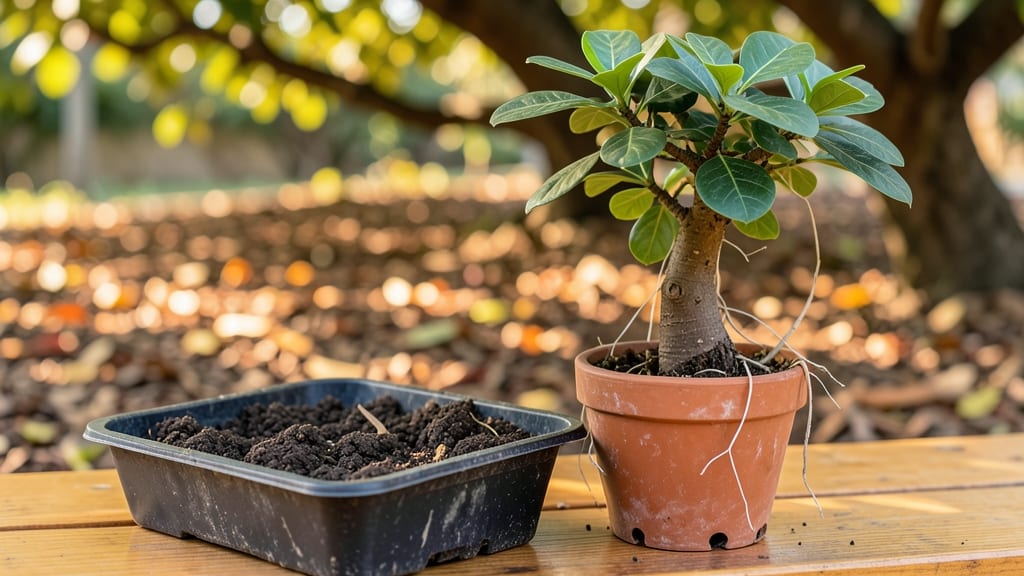
Growing banyan tree seeds from kitchen scraps feels like magic—those tiny seeds turn into a monster-thick canopy that could shade your backyard in just a few years. 🌿 I’ve started them from grocery store figs (yes, banyans are in the fig family) and watched them sprout roots faster than I could water them.
The key isn’t just patience—it’s knowing when to let those aerial roots take over, because that’s how they become trees.
You’ll need a warm spot (70–85°F), moist paper towels to kickstart germination, and a big pot—these guys grow roots like crazy. Most people mess up by transplanting too soon, but if you wait until those first roots hit 6 inches, you’ll avoid the heartbreak of a floppy, struggling seedling.
The soil? Light and airy, like a mix of potting soil and perlite, because banyans hate soggy feet.
By month three, you’ll have a jungle-like plant with dangling roots that beg to be planted out. The real reward? Watching those roots thicken into trunks as you guide them into the ground, creating a living sculpture.
It’s not instant, but the payoff—shade, drama, and that tropical vibe—makes every week worth it.
Fair warning: these trees get huge, so plan ahead. If you’re in a cooler climate, start them indoors and move them out only after the last frost.
The struggle is real, but so is the satisfaction of growing something that looks like it belongs in a temple courtyard—not your backyard. Let’s get those seeds sprouting!
📚 In This Guide
- What you need
- Instructions
- Tips and common mistakes
- Wrapping up and next steps
What you need
- ● Fresh banyan tree seeds: Collect 3–5 plump, dark brown seeds from a ripe banyan fruit (or buy from a nursery). Pro tip: 💡 Soak them in warm water for 24 hours to speed up germination!
- ● Small pots or seed trays: 3–5 biodegradable pots (3–4 inches in diameter) or a shallow tray with drainage holes.
- ● Well-draining potting mix: A blend of 50% peat moss or coco coir, 30% perlite or vermiculite, and 20% sand (or a pre-mixed seed-starting mix).
- ● Plastic wrap or humidity dome: To maintain moisture during germination.
- ● Spray bottle: For gentle watering (avoid over-saturating the soil).
- ● Grow lights or sunny windowsill: A spot with 6–8 hours of indirect light daily (banyan seeds love warmth!).
- ○ Fertilizer (optional but helpful): A balanced liquid fertilizer (5-5-5 or 10-10-10) diluted to half-strength for young seedlings.
- ● Pruning shears or scissors: For trimming seedling leaves to encourage bushier growth (once sprouted).
- ● Larger container (6+ inches): For transplanting seedlings after 3–4 months.
- ● Mulch or bark chips: To retain moisture in the soil as the tree matures.
- ○ Support stake (optional): A small bamboo stake for young trees if they lean heavily.
Step-by-step instructions for growing banyan trees from seeds
Here's how I transform discarded fig seeds into thriving banyan seedlings—no green thumb required.
🌱 Step 1: Extract and Prepare the Seeds
Banyan trees grow from fig seeds, so start by selecting ripe figs (preferably organic to avoid chemical residues). Cut the fruit open and remove the seeds—each fig typically contains 1-2 large, flat seeds. Rinse them gently under lukewarm water to remove any fruit pulp.
Place the seeds in a small bowl and soak them in warm water for 24 hours. This softens the outer shell, which can otherwise delay germination. I like to add a drop of dish soap to the water to help break down any remaining fruit residue—this ensures a cleaner seed surface for faster sprouting.
💧 Step 2: Plant in Moistened Growing Medium
Fill a small pot (at least 4 inches deep) with a mix of 50% peat moss and 50% perlite. This lightweight blend prevents root rot while allowing airflow. Moisten the mix until it feels damp like a wrung-out sponge—you want it to hold moisture but not feel soggy.
Plant the seeds ½ inch deep, placing them horizontally with the flat side down. This mimics their natural orientation in soil. Cover lightly with additional mix, then mist the surface with water until evenly damp. Place the pot in a warm, shaded spot—75-80°F is ideal for germination.
☀️ Step 3: Provide Warmth and Monitor Sprouting
Keep the soil consistently moist (not wet) by misting daily or covering the pot with plastic wrap to retain humidity. Germination can take 2-4 weeks, so patience is key. You’ll know it’s working when the first tiny leaves—called cotyledons—push through the soil.
Once sprouts appear, remove any plastic covering and move the pot to bright, indirect light. Direct sun at this stage can scorch delicate seedlings. Watch for the first set of true leaves (smaller than cotyledons) to emerge—this signals the seedling is ready for slightly more light.
🪴 Step 4: Transplant and Encourage Air Roots
After 6-8 weeks, when seedlings reach 6 inches tall, transplant them into larger pots (at least 8 inches deep) with a mix of potting soil and compost. Banyan trees develop aerial roots, so choose containers with drainage holes and space for roots to grow downward and outward.
Place the pot in a location with morning sun and afternoon shade to avoid leaf burn. Water deeply when the top 1 inch of soil feels dry, ensuring excess water drains away. Within a few months, you’ll see thick, woody stems and the first signs of those iconic hanging roots.
⏰ Step 5: Gradually Acclimate to Outdoor Conditions
When temperatures stay above 50°F at night (typically spring or summer), move the seedlings outdoors to a sheltered spot for 2-3 hours daily. Gradually increase their time outside over 2 weeks, watching for signs of stress like wilting or yellowing leaves.
Once hardened off, plant in the ground or a large container with well-draining soil. Banyan trees thrive in USDA zones 10-11 but can be grown in containers in cooler climates. Prune leggy growth to encourage bushier development, and fertilize lightly with a balanced fertilizer every 2 months during the growing season.
Tips & tricks for growing banyan trees from kitchen scraps
Transforming fig seeds into towering banyans takes patience and a few clever tricks—here's how to maximize your success.
Soaking Secret: That 24-hour soak in warm water isn't just about softening the seed shell—it's also a great time to test your seeds. After soaking, gently press on the seed with your thumb. If it gives slightly but doesn't feel mushy, it's ready to plant. If it feels rock-hard, soak for another 12 hours. The dish soap trick works wonders for stubborn pulp residue, but avoid using too much—just a drop is enough to prevent any potential seed damage.
Temperature Matters: Maintaining that 75-80°F range during germination is crucial, but don't stress if your home runs cooler. Place your seed pots on top of your refrigerator (not inside) or near a sunny window with indirect light. The top of the fridge creates a warm, humid microclimate perfect for germination. If your home stays below 65°F, consider using a seedling heat mat—these work wonders for tropical seeds like banyan.
Transplant Timing: The 6-8 week mark for transplanting might seem like a long wait, but it's worth it. Wait until you see those first true leaves (smaller than the initial cotyledons) and the seedling reaches at least 3 inches tall before transplanting. This ensures the root system is strong enough to handle the move. I've seen seedlings that were transplanted too early struggle with stunted growth—patience here pays off with healthier plants.
Hardening Off Strategy: When it's time to acclimate your seedlings to outdoor conditions, I recommend starting with just 1 hour outside on the first day rather than the full 2-3 hours. This gradual approach prevents shock. Watch for tiny leaves that might curl slightly—this is normal and indicates the plant is adjusting. Over the next 2 weeks, you can slowly increase exposure while keeping an eye out for any yellowing leaves, which is your signal to slow down the process.
Pro Tips for Banyan Tree Seeds
- Transforming fig seeds into towering banyans takes patience and a few clever tricks—here's how to maximize your success.
- Soaking Secret: That 24-hour soak in warm water isn't just about softening the seed shell—it's also a great time to test your seeds.
- Temperature Matters: Maintaining that 75-80°F range during germination is crucial, but don't stress if your home runs cooler.
Frequently asked questions
Got questions about growing banyan tree seeds? You’re not alone! Here are some of the most common queries—plus straightforward answers to help you turn those scraps into a stunning canopy.
How long does it take for banyan tree seeds to germinate?
Banyan tree seeds typically germinate within 2–4 weeks when kept in warm, moist conditions (around 75–85°F). Soak seeds overnight before planting to speed up the process. Patience is key—some may take up to 6 weeks if conditions aren’t ideal.
Can I grow a banyan tree from a seed I find in my kitchen?
Yes! Banyan tree seeds (from fruit like figs or breadfruit) can be grown at home, but ensure they’re fresh and viable. If the seed is dried out or cracked, it may not sprout. For best results, use seeds from organic fruit—avoid treated or overly ripe specimens.
How often should I water banyan tree seedlings?
Keep soil consistently moist but not soggy during germination. Once sprouted, water 2–3 times per week, reducing frequency as the tree matures. Overwatering can cause root rot, so let the top inch of soil dry out between waterings. A humidity tray helps in dry climates!
Are there easier alternatives to banyan trees for beginners?
If banyan trees seem tricky, try fast-growing, low-maintenance trees like monstera deliciosa or rubber plants. For fruit trees, citrus seeds (like oranges) are beginner-friendly and yield edible rewards. Banyans are rewarding but require patience—start small if needed!
Why isn’t my banyan seed sprouting? Troubleshooting tips
Check these common issues:
- Seed viability: Test by scratching the seed—if it’s hard and intact, it may still be good.
- Temperature: Seeds need warmth (70°F+); use a heat mat if indoors.
- Moisture: Keep soil damp (not drenched) and cover with plastic wrap to retain humidity.
- Patience: Some seeds take months—don’t give up too soon!
Wrapping up and next steps
Growing a banyan tree from seeds is a rewarding journey that transforms humble kitchen scraps into a majestic, shade-providing giant—and you’re now part of that magic! 🌱 With patience, the right techniques, and a little care, you’ve unlocked the potential to nurture a living legacy.
Ready to watch your tiny seedling stretch toward the sky? Plant that seed today, and in just months, you’ll be tending to a thriving banyan—one that future generations might admire.
👉 Next step: Grab those seeds, follow your notes, and let nature do the rest! Share your progress with fellow plant lovers—your green thumb is about to shine brighter than ever.