Pests
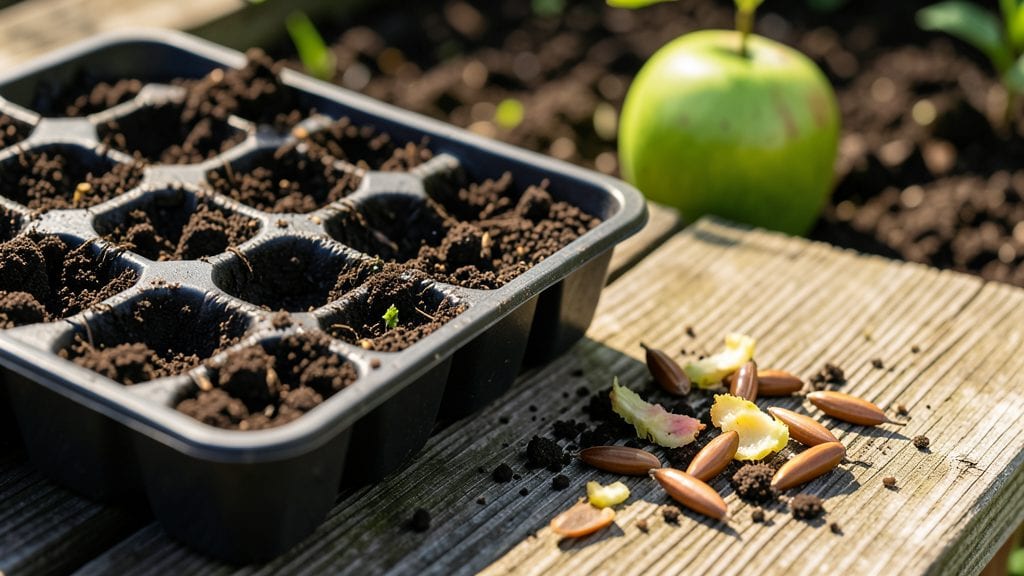
Apple seeds images show key differences between toxic varieties—like those from wild apples or crabapples—and safe domestic apple seeds, which differ in shape, size, and surface texture. Always verify the apple type before eating seeds or planting them.
Visual identification is your first line of defense when dealing with apple seeds. 🔥 The seeds from wild apples or crabapples often appear elongated with a rough, uneven surface, while domestic apple seeds tend to be smoother and more oval-shaped.
This distinction matters because toxic seeds contain higher levels of cyanogenic glycosides, which release cyanide when crushed—a risk you don’t want to take lightly.
For safety, I always cross-reference seed images with trusted botanical guides before attempting to plant or consume them. Even small variations in color or texture can indicate whether a seed is safe or potentially dangerous.
If you're growing apple trees from seeds, consider starting with known varieties to avoid unpleasant surprises down the road.
💡 In This Article
- Identifying Toxic Apple Seeds Through Visual Clues
- Best Practices for Collecting and Planting Apple Seeds
Identifying toxic apple seeds through visual clues
Here's what's actually happening when you examine apple seeds under close inspection: the key difference lies in their botanical structure. Toxic seeds from wild apples or crabapples typically have a longer, more irregular shape—often measuring 12-15mm in length with a rough, pitted surface.
These features aren't just cosmetic; they correlate with higher concentrations of cyanogenic glycosides like amygdalin, which converts to cyanide when the seed's cellular structure is damaged. 🔥
Compare that to domestic apple seeds, which are usually 9-12mm long with a smoother, more uniformly oval shape. The surface often shows subtle longitudinal grooves rather than the coarse texture of wild varieties.
This smoother structure reflects selective breeding for lower toxicity levels—domestic apples generally contain 0.05-0.1mg of cyanide per seed compared to 0.5-1.5mg in wild apple seeds. The color difference also matters: toxic seeds often have a darker brown or nearly black hue when fully mature.
What most people don't realize is how seed size affects toxicity potential. Larger seeds (common in wild apples) contain more endosperm—the energy-rich tissue where cyanogenic glycosides concentrate. When you crush a seed, you're breaking these compounds' storage cells, releasing their toxic potential.
This is why even small amounts of wild apple seeds can be dangerous—just 5-10 crushed seeds might contain a lethal dose for small children or pets. 💛
The science behind this involves the seed's protective layers. Wild apple seeds have a thicker, more resilient seed coat that preserves their chemical composition longer. Domestic varieties undergo processing during cultivation that naturally reduces these compounds.
Even the way seeds attach to the fruit differs: wild seeds often remain embedded in fibrous fruit cores, while domestic seeds separate more cleanly—a visual clue when examining fresh fruit.
For practical identification, focus on these three visual markers:
- Shape: Elongated (wild) vs. oval (domestic)
- Surface: Rough/pitted (toxic) vs. smooth/grooved (safe)
- Color: Dark brown/black (dangerous) vs. light tan/brown (safe)
Here's a pro tip: when collecting seeds, examine the fruit's overall characteristics first. Wild apples often have smaller, tart fruit with thicker cores, while domestic apples have larger, sweeter fruit with thinner cores. This external examination provides your first line of defense against toxic seeds. ✨