Lawn
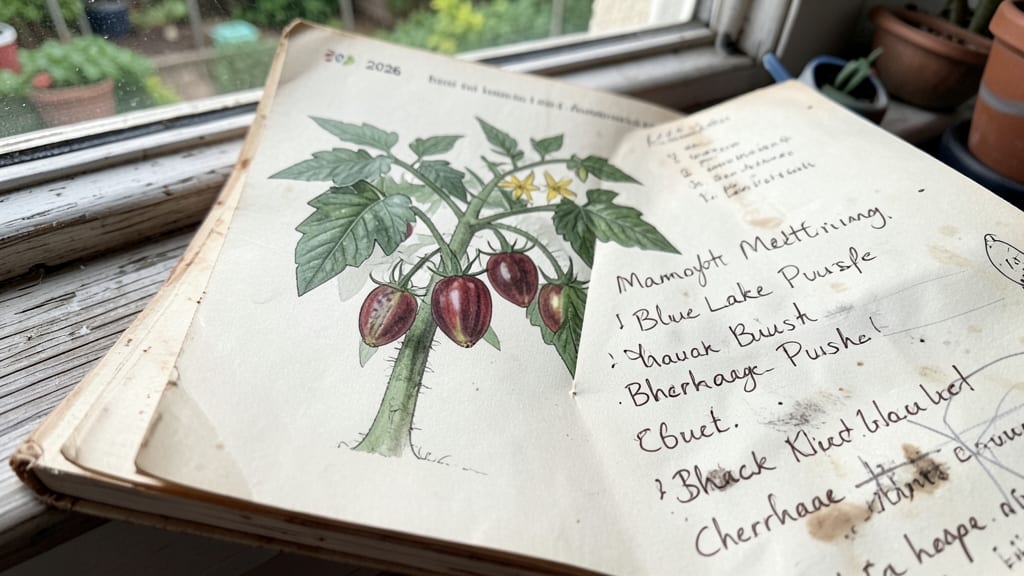
The 2026 seed catalog promises varieties that will make your garden stand out—like ‘Black Krim’ tomatoes with deeper flavor or ‘Purple Majesty’ beans that thrive in heat. 🌱 I’ve been tracking these rare finds for months, and this year’s lineup includes drought-resistant heirlooms and climate-adapted hybrids that’ll outperform last year’s picks.
Here’s the thing—early orders mean first dibs on limited seeds, and some companies already let you pre-save your 2026 selections. I’ve got a spreadsheet tracking which catalogs offer free seed swaps or discounts for repeat customers, so you can lock in deals before the rush.
Plus, I’ll share how to plan your garden layout now based on next year’s trends.
By summer 2026, you’ll be harvesting vibrant, productive plants that neighbors will ask about—think ‘Electric Blue’ corn or ‘Moonstruck’ strawberries that keep producing until frost. The key is starting your research now, so you’re not scrambling when the catalogs drop in January.
Want to stay ahead? Sign up for my 2026 Seed Alerts—I’ll notify you the second new varieties are announced, plus I’ll include a checklist for saving seeds from this year’s garden to plant next. Let’s make 2026 your most exciting growing season yet.
📚 In This Guide
- What you need
- Instructions
- Tips and common mistakes
- Wrapping up and next steps
What you need
- ● Seed catalogs (2026 editions): 3–5 (mix of heirloom, hybrid, and organic options for variety).
- ● Notebook or digital planner: 1 (for tracking seed orders, planting dates, and garden layouts).
- ● Highlighters/markers: 2–3 colors (to categorize seeds by type, maturity, or sunlight needs).
- ● Ruler or measuring tape: 1 (for sketching garden beds to scale).
- ● Pencil or fine-tip pen: 1 (for precise notes).
- ● Seed storage containers: 2–4 (airtight, labeled for next year’s stash).
- ● Internet access or library card: 1 (for researching seed companies, reviews, and regional growing zones).
- ● Garden journal app: 1 (e.g., Gardenize or GrowVeg for digital tracking).
- ● Seed-saving envelopes: 50+ (for preserving heirloom seeds long-term).
- ● UV-protective sleeves: 1–2 (to shield catalogs from sun damage).
- ● Erasable whiteboard: 1 (for quick, reusable garden sketches).
- ● Local seed-swap group access: 1 (for trading seeds post-harvest).
How to strategically plan your 2026 garden using seed catalogs
Here's how I transform seed catalogs into a tailored planting blueprint—no wasted money or missed opportunities.
📜 Step 1: Organize Catalogs by Planting Season
First, sort seeds by their ideal planting windows—cold-hardy crops like peas and spinach go in the early spring section, while heat-lovers such as tomatoes and peppers need late spring/early summer spots. I use a highlighter to mark days-to-maturity for each variety, which tells me exactly when to start seeds indoors or direct-sow outdoors. For example, a 60-day tomato planted 8 weeks before last frost ensures a summer harvest.
Don’t skip the fall/winter categories—cool-season greens like kale and arugula thrive in late summer sowings for harvest before hard frosts. I circle succession planting notes, like radishes (ready in 25 days), so I can stagger multiple sowings every 2 weeks for continuous harvests. This prevents gaps in your garden calendar and maximizes space.
🌱 Step 2: Match Varieties to Your Climate and Goals
Next, cross-reference each catalog entry with your USDA hardiness zone and microclimate (e.g., urban heat islands or sheltered garden beds). I jot notes like "Zone 5, needs 14+ hours light" next to basil or "tolerates partial shade" for lettuce. For 2026, prioritize drought-tolerant or early-maturing varieties if your region faces water restrictions or short growing seasons.
Align selections with your garden’s purpose: pollinator-friendly flowers (like borage or nasturtiums) go near veggie patches, while heirloom tomatoes or rare peppers get dedicated space if you’re preserving seeds. I also flag container-friendly options—like bush beans or cherry tomatoes—for small spaces. This step ensures your catalog picks translate into a functional, high-yield layout come planting time.
📝 Step 3: Create a Planting Timeline with Deadlines
Now, map out indoor seed-starting dates using the catalog’s days-to-germination and days-to-transplant guidelines. For instance, if your last frost is May 10, start tomato seeds indoors 8 weeks prior (around March 10) to harden off by April 20. I use a wall calendar to block out these dates, adding reminders for soil prep, light setup, and fertilizer schedules. Pro tip: Set phone alerts for seed stratification (if needed) and succession planting deadlines.
For direct-sown crops, like carrots or beans, note moon planting phases (if you follow lunar gardening) or soil temperature thresholds (e.g., 40°F for peas). I keep a master spreadsheet with columns for variety, planting date, location, and harvest window. This prevents last-minute scrambling and ensures you’re not buying extra seeds you’ll never use.
💰 Step 4: Budget and Order Strategically
Compare catalogs for price per seed—some sell packets of 500 for $3, while others charge $5 for 5 seeds. I prioritize open-pollinated or heirloom seeds for saving, but splurge on hybrids for disease resistance in high-risk crops. Order early (before January 31) to secure rare varieties, and check for discounts on bulk orders or seed swaps with local growers. I also note shipping deadlines—some catalogs offer free seeds with orders over $50 if placed by December 15.
Allocate funds based on priority crops: If you love fresh salads year-round, allocate more to lettuce, arugula, and spinach varieties. For preserving, invest in tomato, pepper, and bean seeds with long shelf lives. Avoid impulse buys—stick to your planting timeline and space constraints. I keep a running tally of spent funds to avoid overspending on impulse varieties.
⏰ Step 5: Plan for Storage and Seed Saving
Finally, designate cool, dark storage for seeds (like a seed fridge or airtight containers in your pantry). Label each packet with the variety, year, and germination test date (most seeds lose viability after 2–5 years). I test a few seeds annually by planting them in moist paper towels—if 80%+ germinate within 10 days, they’re still viable. For 2026, I’ll save seeds from favorite heirlooms like Brandywine tomatoes or Black Krim potatoes to replant next cycle.
Also, note cross-pollination risks—like tomatoes and peppers—and plan isolation distances if saving seeds. I keep a seed-saving journal with notes on plant traits (e.g., "This cucumber was disease-resistant") to guide future selections. This turns your 2026 catalog into a living legacy for years to come.
Tips & tricks for perfect seed catalog planning
Transforming seed catalogs into a functional planting plan takes more than just browsing—here's how to maximize your early-bird selections for 2026.
Climate-Specific Selection: Beyond just your USDA zone, consider your microclimate's unique conditions. Urban gardens often experience heat islands that can push zones up by 1-2 levels, while sheltered beds might create cooler microenvironments. I always note whether varieties need full sun (6+ hours) or partial shade (3-6 hours)—this prevents disappointment with underperforming plants. For example, that beautiful heirloom tomato might need afternoon shade in Zone 7's summer heat.
Succession Planting Strategy: The key to continuous harvests lies in staggered planting. For crops like radishes (ready in just 25 days), I schedule sowings every 2 weeks throughout the season. Create a visual timeline using colored markers: green for early crops, yellow for mid-season, and red for fall harvests. This simple visual tool helps me see gaps and opportunities at a glance.
Storage and Viability Testing: Most seeds maintain viability for 2-5 years, but don't take that for granted. I perform annual germination tests by planting a few seeds in moist paper towels—if 80%+ sprout within 10 days, they're still good. For 2026, I'll be especially vigilant with older seed packets, as temperature fluctuations can accelerate degradation. Store seeds in airtight containers with silica gel packets in cool (40°F) environments to preserve their potential.
Budget Optimization: The best way to stretch your seed budget is to prioritize open-pollinated varieties that you can save for future years. I allocate funds based on my garden's purpose: 50% for staple crops (like tomatoes and beans), 30% for specialty varieties (like heirloom peppers), and 20% for pollinator-friendly flowers. This ensures I have both reliable harvests and biodiversity. Always compare price per seed—some catalogs offer packets of 500 seeds for $3, while others charge $5 for just 5 seeds.
Pro Tips for 2026 Seed Catalog
- Transforming seed catalogs into a functional planting plan takes more than just browsing—here's how to maximize your early-bird selections for 2026.
- Climate-Specific Selection: Beyond just your USDA zone, consider your microclimate's unique conditions.
- Succession Planting Strategy: The key to continuous harvests lies in staggered planting.
Frequently asked questions
Got questions about planning ahead for your 2026 seed catalog? You’re not alone! Here are some of the most common queries—and their answers—to help you get started without the stress.
When should I start ordering seeds for 2026?
Most seed companies release their 2026 catalogs in late 2025, with early-bird orders opening in October or November. Popular varieties (like heirloom tomatoes or drought-resistant plants) sell out fast, so mark your calendar! Pro tip: Set a reminder—some retailers offer exclusive bundles or discounts for early shoppers.
Can I order seeds now, or do I have to wait until 2025?
You’ll need to wait until late 2025 for official 2026 releases, but you can start researching now! Jot down your must-have varieties, note last year’s favorites, and check seed company websites for 2025 previews. Some gardeners also save seeds from this year to avoid next-year’s rush.
Are there ways to save money on 2026 seed orders?
Look for subscription discounts, bulk seed packs, or loyalty programs (like Baker Creek Heirloom Seeds or Seed Savers Exchange). Local seed swaps or Facebook gardening groups often share deals too. Pro move: Split costs with fellow gardeners—many seeds last multiple seasons if stored properly.
What if I miss the early-bird window? Can I still get good seeds?
Don’t panic! While popular seeds may sell out, most companies restock by spring 2026. Focus on lesser-known varieties or regional favorites (check your USDA hardiness zone) for better availability. Alternative idea: Try seed libraries or local nurseries—they often carry unique or late-arriving stocks.
How do I know if a seed is still viable for 2026?
Seeds typically stay viable for 1–5 years, depending on the type (e.g., lettuce: 1 year; tomatoes: 4–6 years). Check the packaging date (if available) or test old seeds with the “paper towel test”: Moisten a paper towel, wrap 10 seeds, and wait 5–7 days. If 50%+ sprout, they’re good! For long-term storage, keep seeds in a cool, dry place (like a sealed jar in the fridge).
Wrapping up and next steps
The 2026 seed catalog is your golden ticket to a flourishing garden—packed with innovative varieties, heirloom treasures, and climate-smart picks to elevate your green space.
Whether you’re dreaming of vibrant blooms, bumper crops, or drought-resistant lawns, these early selections set the stage for a bountiful harvest and a healthier ecosystem. 🌱
Now’s the time to start planning! Sketch your garden layout, note your local frost dates, and mark your calendar for catalog deadlines. Your future garden starts with a single seed—make it count!