
Propagation
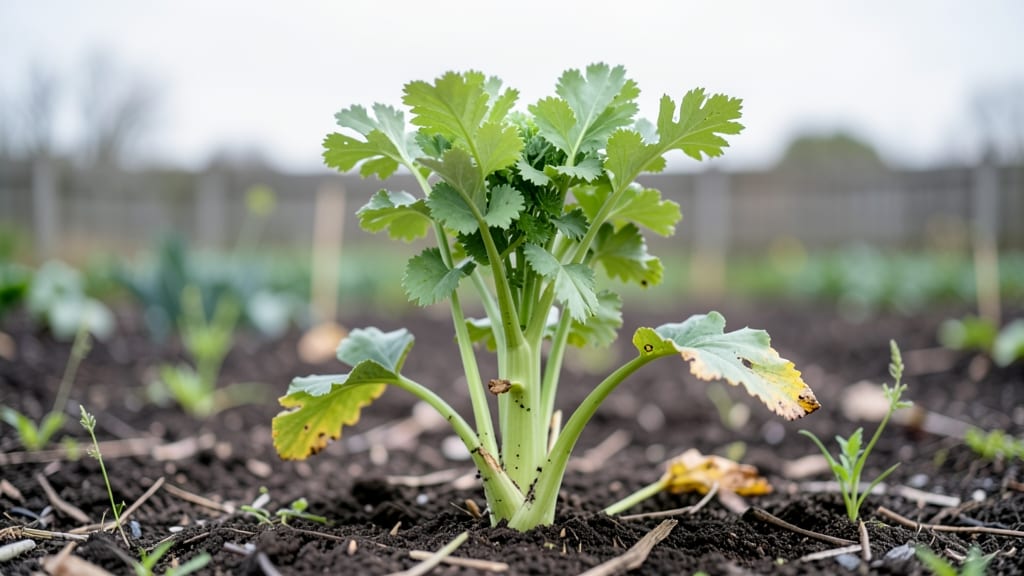
Growing Tango celery seeds faster than the catalog promises starts with a simple fridge trick. 🌱 I’ve struggled with slow celery germination until I discovered cold stratification—soaking seeds in damp paper towels for 2 weeks in the fridge before planting.
This mimics winter’s natural cycle and cuts wait time from 30 days to just 7-10 days.
The secret isn’t fancy equipment—just a plastic bag, damp paper towels, and your fridge’s crisper drawer. Once stratified, sow seeds ¼ inch deep in well-draining soil, spaced 6 inches apart.
Tango celery thrives in cool weather (Zone 3-8) and prefers partial shade, making it perfect for spring or fall gardens where temperatures stay mild.
You’ll see those first pale green shoots within days, and by midsummer, you’ll be harvesting crisp stalks for soups or snacks. The plants stay productive for months, and the flavor? Far superior to store-bought. This method works for any slow-germinating celery variety—just adjust the stratification time based on your climate.
Fair warning: Overwatering is the #1 killer of young celery. Keep soil consistently moist but not soggy, and watch for aphids in humid summers. With this trick, you’ll go from seed to harvest faster than you thought possible—no greenhouses or grow lights required.
📚 In This Guide
- What you need
- Instructions
- Tips and common mistakes
- Wrapping up and next steps
What you need
- ● Tango celery seeds – 1 small packet (about 100-200 seeds, depending on the brand).
- ● Cold stratification supplies: 1 plastic storage bag (quart or gallon size, with a zip-top closure).
- ● 1 paper towel or unbleached coffee filter (cut to fit the bag).
- ● 1 small bowl or container (for mixing seeds).
- ● Moisture control: 1 spray bottle (with water) or a damp cloth.
- ○ Optional: distilled water (to avoid chlorine/chemicals).
- ● Refrigeration: Access to a refrigerator with a crisp drawer (ideal temp: 35–40°F / 2–4°C).
- ● Labeling: Masking tape + marker (to label your bag).
- ● Growing medium (post-stratification): Seed-starting mix (lightweight, sterile).
- ● Small pots or trays (2–3 inches deep).
- ○ Heat mat (optional): For faster germination after stratification (70–75°F / 21–24°C).
- ○ Humidity dome (optional): To retain moisture while seeds sprout.
Step-by-Step instructions for cold stratifying tango celery seeds
This trick speeds up germination from weeks to days—here's how to do it right.
🌱 Step 1: Prepare the Seeds for Cold Treatment
Start by placing the Tango celery seeds between two damp paper towels. Fold the towels so the seeds are sandwiched evenly—this keeps them moist without drowning them. I like to use a clean, lint-free towel to avoid any debris that could interfere with germination. Lay this seed towel in a resealable plastic bag and seal it tightly but not airtight.
This setup mimics the natural cold-moisture cycle celery seeds need to break dormancy. The dampness prevents them from drying out while the plastic bag creates a humid microclimate. Place the bag in your refrigerator's crisper drawer, where temperatures stay steady at 35-40°F. This cold treatment typically lasts 10-14 days, but check daily for signs of sprouting.
⏰ Step 2: Monitor and Test for Germination Readiness
After 7 days, open the bag and inspect the seeds. You'll see some may have swollen slightly or even sprouted tiny white roots—this is progress! If no sprouts appear, return the bag to the fridge for 3 more days. The goal is to have at least 50% of seeds showing root growth before proceeding.
Real talk: Some seeds might germinate faster, others slower. Don't rush this process—celery seeds need this cold period to "wake up." If you see mold developing, discard those seeds immediately and start fresh with new ones. The paper towel should stay damp but not soggy; if it feels dry, mist it lightly with water and reseal.
💧 Step 3: Plant the Stratified Seeds
Once you've confirmed germination readiness, fill small 2-inch deep seedling pots with a sterile seed-starting mix. Press the soil down lightly to create a firm planting surface. Make a tiny hole—about ¼ inch deep—with your finger or a pencil, and place 1-2 seeds in each hole. Cover them with a sprinkle of additional soil, just enough to barely conceal them.
Water gently using a spray bottle until the soil feels evenly moist. Avoid soaking the seeds or you'll risk washing them out. Place the pots in a warm spot (65-75°F) with indirect light. You'll see tiny green shoots emerge within 5-10 days—this is your reward for the cold stratification!
☀️ Step 4: Provide Optimal Light for Seedling Growth
As soon as the first true leaves appear (not the initial seed leaves), move the seedlings to a bright, sunny window or under grow lights. Celery seedlings need 12-14 hours of light daily to prevent leggy growth. If you notice stems stretching toward the light or leaves turning pale, your seedlings need more intensity.
I like to keep my grow lights 2-3 inches above the seedlings and raise them gradually as the plants grow. This ensures strong, compact growth. Keep the soil consistently moist but never waterlogged—celery hates soggy roots. You'll know you're doing it right when the seedlings develop deep green, sturdy leaves within 3-4 weeks.
Tips & tricks for perfectly stratified tango celery seeds
Cold stratification might sound intimidating, but these simple tricks will help you skip the weeks-long wait for germination and get those celery seeds sprouting in days.
Temperature Matters: The 35-40°F range in your refrigerator's crisper drawer is critical—this mimics the natural winter chilling celery seeds experience in nature. If your fridge runs cooler, place the bag on a shelf near the back where temps are most stable. I've seen seeds germinate faster when kept consistently at 40°F rather than fluctuating between 35°F and 45°F.
Moisture Management: The damp paper towels should feel like a wrung-out sponge—not dripping wet, not bone dry. I like to use a spray bottle to mist the seeds every 2-3 days if they start to dry out. Too much moisture causes mold, while too little prevents germination. The plastic bag creates the perfect humid environment without needing constant attention.
Visual Cues for Germination: After those 7 days in Step 2, look for tiny white root hairs emerging from the seeds—that's your signal they're ready. If you're unsure, gently press a seed between your fingers: it should feel slightly firmer than before, almost like a tiny pea. This firmness indicates the seed has absorbed moisture and is breaking dormancy.
Lighting Strategy: For Step 4, if you're using grow lights, start with them 2-3 inches above the seedlings and raise them weekly as the plants grow. I use LED grow lights on a timer for 12-14 hours daily—this prevents leggy growth while providing consistent light. A south-facing window works too, but cloudy days might require supplemental light to maintain that 12-14 hour minimum.
Pro Tips for Tango Celery Seeds
- Cold stratification might sound intimidating, but these simple tricks will help you skip the weeks-long wait for germination and get those celery seeds sprouting in days.
- Temperature Matters: The 35-40°F range in your refrigerator's crisper drawer is critical—this mimics the natural winter chilling celery seeds experience in nature.
- Moisture Management: The damp paper towels should feel like a wrung-out sponge—not dripping wet, not bone dry.
Frequently asked questions
Got questions about using tango celery seeds and cold stratification?
Here are the most common ones—plus quick answers to help you grow like a pro!
What exactly is cold stratification, and why do tango celery seeds need it?
Cold stratification mimics winter conditions to break seed dormancy. Tango celery seeds (Apium graveolens) often require this step because their tough outer shells need a chill period (usually 2–4 weeks in the fridge) to soften and trigger germination. Skipping it can lead to slow or uneven sprouting—so don’t rush it!
How long should I cold-stratify tango celery seeds before planting?
For best results, place moistened seeds in the fridge for 2–4 weeks. Check them weekly: if mold appears (fuzzy white/green spots), remove affected seeds immediately. After stratification, plant in well-draining soil and keep it consistently moist. Patience pays off—germination typically takes 10–20 days post-stratification.
Can I reuse or repurpose leftover tango celery seeds after stratification?
Yes! If seeds aren’t planted within a few days of removing them from the fridge, store them in a paper towel-lined container in the fridge for up to 2 weeks. Avoid plastic bags (they trap moisture and cause rot). For long-term storage, dry seeds completely and keep them in an airtight container at room temp—but stratification works best when fresh.
What if my tango celery seeds don’t germinate after cold stratification?
Try these fixes:
- Check moisture: Soil should stay damp (not soggy). Use a spray bottle to avoid overwatering.
- Test seed viability: Soak a few seeds in warm water for 24 hours—if they sink, they’re likely good.
- Adjust temperature: Keep soil between 60–70°F (15–21°C) during germination.
- Try a second round: Some seeds need longer stratification (up to 6 weeks).
Are there alternatives to cold stratification for tango celery seeds?
While cold stratification is the gold standard, you can try:
- Scarification: Lightly nick the seed coat with sandpaper or a knife to weaken it.
- Soaking: Soak seeds in warm water for 24 hours before planting (less effective but worth a try).
- Heat treatment: Place seeds in a bowl of hot (not boiling) water for 10 seconds, then cool immediately.
Wrapping up and next steps
Mastering the tango celery seeds cold stratification trick is your secret weapon for faster, healthier germination—no more waiting months for those stubborn seeds to sprout! 🌱 By mimicking nature’s cycles with a simple chilling process, you’re giving your seeds the confidence boost they need to thrive.
Whether you’re a seasoned gardener or just starting, this method is your ticket to a greener (and more patient) you.
Ready to put your newfound knowledge into action? Grab those seeds, follow the steps, and watch your garden bloom with ease! 🌿 Start your cold stratification journey today—your future celery plants will thank you!