
Lawn
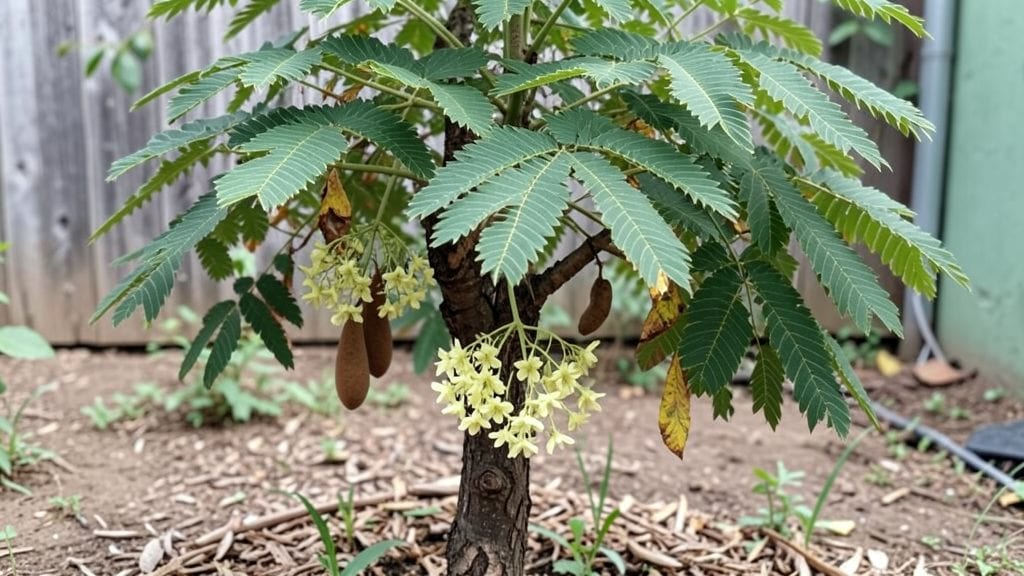
Growing a tamarind tree from seed unlocks tropical privacy that store-bought saplings can’t match—plus, the process is surprisingly straightforward once you know the tricks. 🌿 I’ve started dozens from seed, and the key to 3-month germination lies in mimicking the tree’s natural tropical environment right from the beginning.
The first few weeks demand patience, but those first pale green leaves breaking through the soil? Pure magic.
You’ll need just three essentials: a warm spot (75–85°F), slightly damp seed-starting mix, and a clear plastic bag to trap humidity. Tamarind seeds hate cold, so if you’re in Zone 8 or cooler, use a heat mat or grow light.
Plant each seed ½ inch deep in its own small pot—crowding them slows germination. Water gently but keep the soil consistently moist, never soggy, and those seeds will crack open in 2–4 weeks with the right care.
By month three, you’ll have 3–6 inch seedlings ready to transplant, their glossy leaves signaling they’re thriving. The real reward? A tree that grows 10–20 feet tall with time, its fragrant flowers and edible pods adding bonus value.
Just don’t rush it—tamarinds grow fast once established, but they need that strong start to handle heat and humidity like a pro.
Works best in USDA Zones 8–11, but even cooler climates can try them in containers moved indoors during winter. The secret to long-term success? Potting up early and giving them room to stretch their roots. Let’s get those seeds sprouting!
📚 In This Guide
- What you need
- Instructions
- Tips and common mistakes
- Wrapping up and next steps
What you need
- ● Tamarind tree seeds: 5–10 fresh, plump seeds (harvested from ripe tamarind pods). Pro tip: Soak them overnight to soften the hard outer shell! 💡
- ○ Small pots or seed trays: 3–5 (4–6 inches deep) with drainage holes. Optional: Biodegradable peat pots for easy transplanting.
- ● Well-draining potting mix: 2–3 bags (sterilized, organic blend with perlite or coconut coir). Avoid: Heavy clay soil.
- ● Spray bottle: For gentle watering (avoid over-saturating seeds).
- ● Plastic wrap or humidity dome: To create a mini greenhouse effect.
- ○ Heat mat (optional but helpful): For faster germination (70–85°F range).
- ● Grow lights or sunny windowsill: 6+ hours of indirect light daily.
- ● Fertilizer (after sprouting): Balanced liquid fertilizer (e.g., 10-10-10) diluted to half-strength.
- ● Warm climate or indoor setup: Tamarind seeds thrive in tropical conditions (65°F+). If indoors: Use a sunny window or grow lights.
- ● Patience: Germination takes 2–4 weeks (sometimes longer!).
- ● Space for transplanting: A larger pot (12+ inches) or garden bed after 3 months.
Step-by-step instructions for germinating tamarind tree seeds
Here's how to coax those stubborn tamarind seeds into sprouts—my foolproof method for tropical privacy.
🌱 Step 1: Extract and Soak Seeds for 24 Hours
Start by carefully removing the seeds from a ripe tamarind pod—they're embedded in a thick, fibrous pulp. Rinse them under lukewarm water to remove any remaining fruit residue. Place the seeds in a clean jar and cover them with filtered water for 24 hours.
This pre-soaking softens the hard outer shell and kickstarts hydration. You'll notice the water turn slightly cloudy as the seeds begin to absorb moisture. After 24 hours, drain the water and rinse the seeds again—this prevents mold from developing during germination.
💧 Step 2: Prepare the Germination Container
Fill a 6-inch wide container with a mix of 50% peat moss and 50% perlite—this lightweight blend prevents root rot while retaining enough moisture. Moisten the mix until it feels like a wrung-out sponge, then create shallow ½-inch deep indentations for each seed.
Place one seed in each indentation, pressing lightly to ensure contact with the soil. Cover the container with a clear plastic lid or wrap it in plastic wrap to create a humid microclimate. Tamarind seeds germinate best in 75-85°F conditions, so position the container on a seedling heat mat if your home runs cooler.
☀️ Step 3: Maintain Warmth and Check for Sprouts
Keep the container in indirect light for the first 10-14 days—too much sun now will dry out the soil before germination occurs. Check daily for condensation on the plastic cover; mist the soil if it feels dry to the touch, but avoid soaking it. You'll see tiny cracks appear in the seed coat within 3-7 days, signaling the root is pushing through.
Once sprouts emerge, remove the plastic cover immediately to prevent fungal growth. Move the seedlings to a bright, east-facing window where they'll receive gentle morning light. Tamarind seedlings are sensitive to cold drafts, so keep them away from air conditioning vents or open windows.
🌿 Step 4: Transplant When Seedlings Are 6 Inches Tall
After 8-12 weeks, when seedlings reach 6 inches with several sets of true leaves, it's time to transplant. Choose 8-inch diameter pots filled with a mix of 60% potting soil, 20% compost, and 20% sand for drainage. Gently remove the seedling from its container, supporting the stem to avoid breakage.
Plant at the same depth it was growing before, then water thoroughly until water runs from the drainage holes. Tamarind trees thrive in full sun, so place them outdoors in a sheltered spot after hardening off for 10 days. Watch for new growth within 2-3 weeks—this confirms the transplant was successful.
Tips & tricks for germinating tamarind tree seeds
Between us, tamarind seed germination has a reputation for being finicky—but these are the exact tricks that'll give you those first green shoots within weeks.
The Soaking Secret: That 24-hour soak isn't just about hydration—it's about breaking dormancy. I've found the water should be lukewarm (around 85°F) to mimic tropical conditions. Use filtered water to avoid chlorine, which can inhibit germination. After 24 hours, you'll see the water turn cloudy—this is the seed's natural enzymes activating. Don't skip the final rinse after draining, or you risk mold developing during the germination phase.
Container Intelligence: The 6-inch container size matters—too small and roots get cramped, too large and moisture evaporates unevenly. For the 50% peat moss/50% perlite mix, I recommend sterilizing both components by baking at 200°F for 30 minutes before mixing. This prevents fungal competition with your seeds. The ½-inch indentations should be just deep enough to cradle the seed without burying it—tamarind seeds need light to germinate.
Heat Hack for Stubborn Seeds: If your home stays below 75°F, invest in a seedling heat mat—it's the difference between germination and disappointment. I place my container on top during the first 14 days, then gradually reduce heat as sprouts emerge. Watch for condensation on the plastic cover daily; this is your moisture gauge. If it's dry, mist the soil lightly—never soak it. The goal is to maintain 90% humidity without creating a swamp.
Pro Tips for Tamarind Tree Seed
- Between us, tamarind seed germination has a reputation for being finicky—but these are the exact tricks that'll give you those first green shoots within weeks.
- The Soaking Secret: That 24-hour soak isn't just about hydration—it's about breaking dormancy.
- Container Intelligence: The 6-inch container size matters—too small and roots get cramped, too large and moisture evaporates unevenly.
Frequently asked questions
Got questions about growing tamarind tree seeds? You’re not alone—this tropical favorite has a few quirks! Here are answers to the most common queries to help you succeed.
How long does it take for tamarind seeds to germinate?
Tamarind seeds can take anywhere from 2 to 6 weeks to sprout, depending on temperature and moisture. Keep the soil consistently warm (around 75–85°F) and damp but not soggy. Patience is key—some seeds may surprise you with faster growth!
Can I grow a tamarind tree from a seed I find in store-bought tamarind paste?
Store-bought tamarind paste often contains viable seeds. Rinse them thoroughly to remove pulp, then soak in water for 24 hours before planting. Just note: seeds from paste may take slightly longer to germinate than fresh ones.
Will tamarind seeds survive winter if planted outdoors?
Tamarind trees are tropical and not frost-tolerant. If you live in a cold climate, start seeds indoors 8–10 weeks before the last frost, then transplant after warm weather arrives. A greenhouse or pot (moved indoors in winter) is your best bet!
What’s the best alternative if my tamarind seeds won’t sprout?
If germination fails, try these tricks:
- Scarify the seed (lightly nick the outer shell) to help water penetrate.
- Use a rooting hormone for stubborn seeds.
- Switch to a tamarind cutting (propagate from a mature branch) for faster, guaranteed growth.
Why are my tamarind seedlings turning yellow or wilting?
Yellowing or wilting often signals overwatering or poor drainage. Tamarind seeds hate soggy soil—let the top inch dry between waterings. Check for pests (like aphids) or fungal issues if leaves look mushy. Adjust care and monitor closely!
Wrapping up and next steps
Growing tamarind tree seeds into lush, tropical privacy screens in just three months is totally achievable with the right know-how! 🌱 From selecting the perfect seeds to mastering germination techniques, each step brings you closer to a vibrant, shade-filled backyard oasis. Don’t wait—start your tamarind journey today!
Ready to dive in? Gather your supplies, follow the step-by-step guide, and watch your tamarind trees flourish. Happy planting—and enjoy your future tropical retreat! 🌴