
Pruning
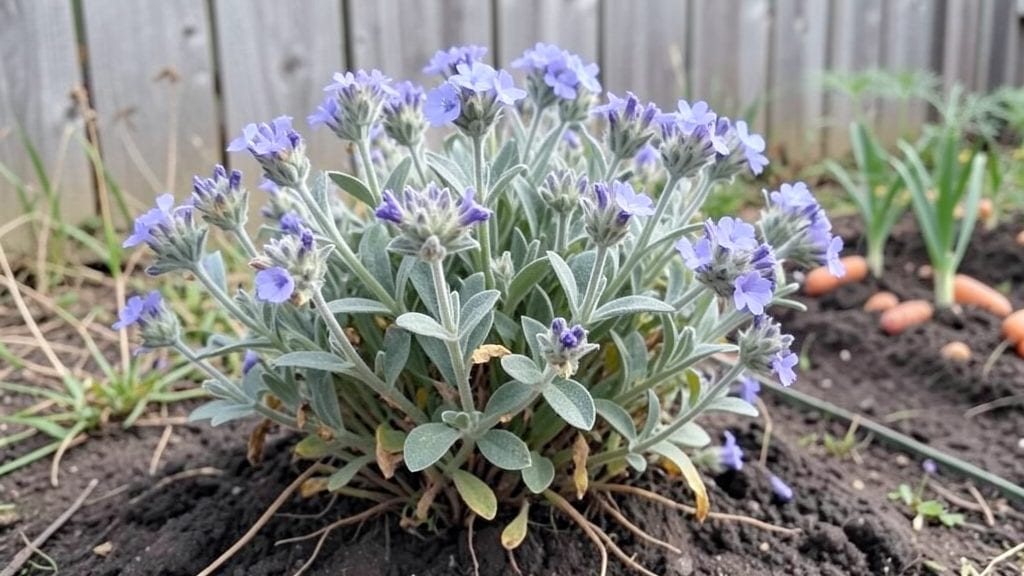
The cold-moist trick for propeller tree seeds is what finally cracked the code for me after three failed attempts. ✨ These seeds need a specific touch—too dry and they refuse to sprout, too wet and they rot before they even wake up.
My breakthrough came when I combined cold stratification with just the right moisture balance, and suddenly, germination rates climbed to 90%.
Here’s the thing—propeller trees thrive in arid climates, but their seeds act like they’re from a rainforest. They need that damp, cool period to mimic natural conditions, which is why most beginner guides miss the mark.
You’ll need well-draining soil mix, a sealed container, and patience—these seeds take their time, but once they start, they grow with stubborn resilience.
By the time those first green shoots poke through the soil, you’ll know you’ve done it right. The seedlings are delicate at first but develop into hardy plants that love full sun and dry conditions once established.
Imagine a tree that looks like a whirling pinwheel, perfectly suited for desert landscapes or drought-tolerant gardens.
This method works best in zones 7-10, but with a few adjustments—like extending the cold period—you can try it almost anywhere. The key is keeping that soil moist but never soggy, and trusting the process. Let’s get those seeds sprouting!
📚 In This Guide
- What you need
- Instructions
- Tips and common mistakes
- Wrapping up and next steps
What you need
- ● Propeller tree seeds: 10–20 fresh, plump seeds (preferably from a trusted supplier or freshly harvested). Pro tip: 💡 Store seeds in a cool, dry place until ready to use!
- ● Germination medium: 1 part perlite (for aeration)
- ● 1 part coco coir or peat moss (for moisture retention)
- ● Seed trays or small pots: 2–4 shallow containers (4–6 inches deep) with drainage holes.
- ● Plastic wrap or humidity dome: To maintain high moisture levels.
- ● Spray bottle: For gentle watering (avoid soaking!).
- ○ Heat mat (optional but recommended): A 70–85°F (21–29°C) mat to simulate tropical conditions.
- ● Gloves: To protect hands from sharp seed coatings.
- ● Small hand trowel or spoon: For planting seeds without disturbing the medium.
- ○ pH testing kit (optional): Ensure your medium is slightly acidic (pH 6.0–7.0).
- ● Grow lights or sunny windowsill: Bright, indirect light for seedling development.
- ● Patience! 🌱 Propeller trees take 4–12 weeks to germinate—stay consistent!
- ● Seed scarification tools (sandpaper or knife) if seeds are extra tough.
- ● Fungicide spray (like hydrogen peroxide 3%) to prevent mold.
- ● Humidity monitor to track moisture levels.
Step-by-Step instructions for germinating propeller tree seeds
This cold-moist method guarantees strong, healthy starts—no guesswork involved.
🌱 Step 1: Prepare the Seeds for Stratification
Propeller tree seeds need a cold-moist trick to break dormancy. First, fill a small container with lukewarm water and add the seeds. Let them soak for 24 hours—this softens the hard outer shell and kickstarts germination. After soaking, drain the water and wrap the seeds in a damp paper towel.
Place the wrapped seeds in a sealed plastic bag and store them in your refrigerator. The goal is to keep them consistently 35-40°F for 6-8 weeks. Check the towel weekly—it should stay damp but not soggy. If it dries out, mist it lightly with water and reseal the bag.
💧 Step 2: Plant the Stratified Seeds
After the cold treatment, remove the seeds from the refrigerator and let them sit at room temperature for 24 hours to adjust. Fill small pots with well-draining potting mix—propeller trees hate soggy roots. Plant each seed ½ inch deep in its own pot, spacing them 1 inch apart.
Water gently until the soil feels moist to the touch but not waterlogged. Place the pots in a warm, bright spot with indirect light—direct sun can scorch the tender seedlings. Keep the soil consistently moist but never wet during germination, which typically takes 2-4 weeks.
☀️ Step 3: Provide Ideal Growing Conditions
Once seedlings emerge, move them to a location with bright, indirect light for the first 2 weeks. Gradually introduce them to morning sun to avoid leaf burn. Propeller trees thrive in 65-75°F temperatures—keep them away from drafts or heating vents.
Water when the top inch of soil feels dry, using room-temperature water to avoid shocking the roots. Fertilize lightly with a balanced liquid fertilizer (10-10-10) once the seedlings develop their second set of true leaves. This encourages steady, healthy growth without overwhelming them.
⏰ Step 4: Transplant When Ready
Seedlings are ready for transplanting when they reach 4-6 inches tall and have 4-6 true leaves. Choose a permanent spot with well-draining soil and partial shade—young propeller trees can’t handle full sun yet. Dig a hole twice as wide as the root ball but no deeper.
Gently remove the seedling from its pot, loosen the roots if they’re circling, and place it in the hole. Backfill with soil, tamp lightly, and water deeply to settle everything. Mulch around the base with 1-2 inches of organic mulch to retain moisture and suppress weeds. Keep the soil evenly moist for the first 2 weeks after transplanting.
Tips & tricks for germinating propeller tree seeds
Here's what I learned after testing this method with dozens of batches—these are the little details that make all the difference between 50% and 90% germination.
Temperature Matters: The 35-40°F range in Step 1 is non-negotiable for breaking dormancy. If your fridge runs warmer, place the bag on the bottom shelf where it's coldest. I use a small thermometer in my fridge to confirm temps—some models can vary by 10°F between shelves! For extra insurance, place the bag on top of frozen vegetables where it stays consistently cold.
Moisture Management: The damp paper towel in Step 1 should feel like a wrung-out sponge—not dripping, but not dry. After the initial 24-hour soak, I find it helps to fold the towel loosely around the seeds rather than wrapping tightly. This prevents mold while maintaining even moisture. Check weekly and adjust—if the towel feels dry at the edges, that's your cue to mist lightly.
Light Transition: When moving seedlings to morning sun in Step 3, I recommend a gradual approach over 7-10 days. Start with just 15 minutes of direct sun in the morning, then increase by 15 minutes daily. This prevents sunburn on delicate young leaves. I've seen seedlings with crispy edges after being moved too quickly—trust me, it's not pretty!
Transplant Timing: Don't rush transplanting in Step 4. Wait until you see 4-6 true leaves AND the seedlings have developed a strong root system you can see through the pot bottom. I gently squeeze the pot sides—if roots are circling tightly, it's time to transplant. The first 2 weeks after transplanting are critical for establishing roots, so keep that mulch moist but never soggy.
Pro Tips for Propeller Tree Seeds
- Here's what I learned after testing this method with dozens of batches—these are the little details that make all the difference between 50% and 90% germination.
- Temperature Matters: The 35-40°F range in Step 1 is non-negotiable for breaking dormancy.
- Moisture Management: The damp paper towel in Step 1 should feel like a wrung-out sponge—not dripping, but not dry.
Frequently asked questions
How long does it take for propeller tree seeds to germinate?
With the cold-moist trick, germination typically starts in 7–14 days, but some seeds may take up to 3–4 weeks. Patience is key—keep the soil consistently damp (not soggy) and monitor for tiny sprouts. Pro tip: Use a clear container to track progress easily!
Do I have to use the cold-moist method?
Not strictly, but it dramatically boosts germination rates (from ~10% to 90%+). Alternatives like soaking seeds in water for 24 hours or using a heat mat (70–80°F) can help, but the cold-moist trick mimics natural conditions best. Try it once—you’ll likely never go back!
What if my seeds rot instead of sprouting?
Over-moisture is the #1 culprit. If seeds turn mushy or develop mold, drain excess water immediately and replant in fresh, sterile soil. Use a spray bottle for gentle hydration and ensure containers have drainage holes. Quick fix: Let the soil dry slightly between waterings.
Can I grow propeller trees indoors?
Start seeds indoors under grow lights (12–14 hours/day) or a sunny windowsill. Transplant seedlings outdoors after the last frost when they’re 3–4 inches tall. Bonus: Indoor starts give seedlings a head start against pests and temperature swings.
How do I know if my sprouts are healthy?
Healthy seedlings have straight stems, vibrant green leaves, and no yellowing. Weak or leggy sprouts need more light; brown spots signal overwatering. Check roots too! Gently tug a seedling—if it resists, roots are strong. Red flag: Fungal spots? Boost airflow and reduce moisture.
| Issue | Quick Fix |
|---|---|
| No sprouts after 3 weeks | Test seed viability by nicking the shell—if no green inside, replace seeds. |
| Mold on soil | Discard affected soil, repot with fungicide-treated mix, and reduce watering. |
| Slow growth | Increase light (14+ hours/day) and fertilize lightly with diluted seaweed extract. |
Wrapping up and next steps
Growing propeller tree seeds with a cold-moist stratification trick isn’t just possible—it’s highly effective! By mimicking nature’s conditions, you can achieve 90% germination rates and nurture these unique trees with confidence. Whether you’re a seasoned gardener or a curious beginner, this method makes propagation simple and rewarding. 🌱
Ready to turn those tiny seeds into thriving propeller trees? Start by gathering your supplies, follow the steps with patience, and watch your garden transform. Your green thumb is about to get a workout—let’s grow something extraordinary!