
Aphids
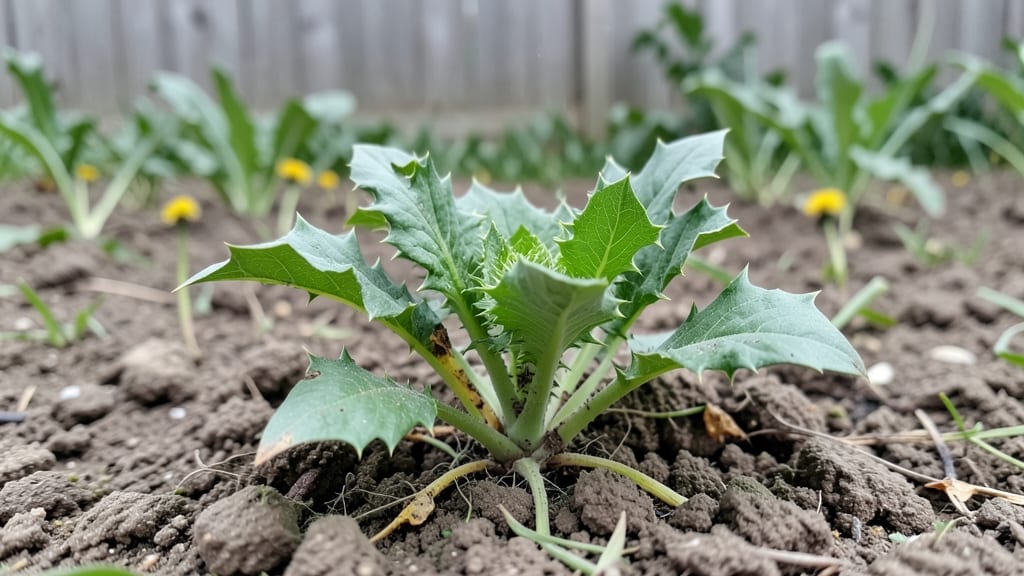
Cold stratification turns prickly lettuce seedlings from finicky failures into reliable starters. 🌱 I learned this the hard way after watching my first batch of prickly lettuce seeds sprout unevenly—some bolted, others stayed stubbornly dormant.
The trick? Mimicking winter’s chill before planting, which signals seeds to break dormancy and germinate strong.
This method works best with fresh seeds stored in a damp paper towel inside a sealed bag. Pop the bag in your fridge’s crisper drawer for 10-14 days—just enough time for moisture to trigger the germination process without rotting the seeds.
No fancy equipment needed, just patience and a little cold therapy.
Once stratified, your prickly lettuce seedlings will emerge with bold, spiky leaves and a resilience most varieties lack. They handle heat better than traditional lettuce, making them perfect for late-spring or summer planting. The spines might feel intimidating, but they’re actually a sign of toughness—these plants won’t wilt under stress.
For transplanting, wait until seedlings have 2-3 true leaves and harden them off for a week. Their prickly nature means gloves are a must, but the payoff? A harvest that lasts longer and tastes sweeter than store-bought. Ready to try it?
Root Causes of Stubborn Seedling Struggles
When your prickly lettuce seedlings refuse to cooperate, it’s rarely just "bad luck"—it’s usually a mix of environmental and biological factors working against them. Understanding these causes is the first step to fixing the problem.
Below, we break down the science behind why your seedlings might be acting up, so you can troubleshoot like a pro.
Seeds have a shelf life, and once they expire, their ability to germinate plummets—even for hardy varieties like prickly lettuce. Here’s why it happens:
- Enzyme degradation: Over time, the enzymes that kickstart germination (like α-amylase) break down. Fresh seeds have higher concentrations of these enzymes, which are critical for breaking down starches into sugars that fuel early growth. Older seeds may still look intact, but their internal chemistry is compromised.
- Moisture loss: Seeds absorb moisture from the air, especially in low-humidity conditions. Once dried out, their cell membranes stiffen, making it harder for water to penetrate during soaking or planting. Prickly lettuce seeds, which often require cold stratification, are particularly sensitive to this.
- Mechanical damage: Even minor cracks or scratches from handling can disrupt the seed coat’s integrity. If the protective layer is compromised, the seed may absorb too much water too quickly, leading to imbibitional damage (where cells swell uncontrollably and rupture).
Actionable fix: Always use seeds less than 1 year old for optimal germination. Store them in a cool, dark, and dry place (like a sealed jar in the fridge) to slow aging. If you’re unsure about seed age, test a few in a damp paper towel—if they don’t sprout within 7–10 days, they’re likely past their prime.
Prickly lettuce (Lactuca serriola) is a winter annual, meaning its seeds often need a period of cold exposure to break dormancy—a process called stratification. Skipping or mishandling this step is a surefire way to end up with weak or non-germinating seedlings.
| Issue | Why It Happens | Fix It |
|---|---|---|
| ❄️ Insufficient cold exposure | Seeds may not receive enough time at 35–45°F (2–7°C). For prickly lettuce, this can range from 2–4 weeks, depending on the variety. Without this, the seed’s abscisic acid (a growth-inhibiting hormone) remains dominant, blocking germination. | Place seeds in a sealed container with damp paper towels in your fridge’s crispier drawer (most consistent temps). Avoid freezer temps—below 32°F (0°C) can kill the seed. |
| 🌡️ Temperature fluctuations | Seeds are sensitive to rapid temperature swings. If moved from cold to warm too quickly (e.g., taking them out of the fridge and into a sunny windowsill), it can trigger premature metabolic activity without proper hydration, leading to failed germination. | Gradually acclimate seeds to warmer temps over 24–48 hours before planting. Use a seedling heat mat set to 65–70°F (18–21°C) for consistent warmth post-stratification. |
| 💧 Moisture imbalance during stratification | The paper towel or growing medium must stay damp but not soggy. Too much moisture can lead to anaerobic conditions (lack of oxygen), while too little prevents the seed from absorbing water and activating germination enzymes. | Squeeze excess water from the paper towel—it should feel like a wrung-out sponge. Re-moisten every 3–4 days without soaking. |
Once your seeds are stratified and planted, temperature becomes the #1 factor in whether they’ll push through the soil. Prickly lettuce seedlings are particularly finicky about heat and cold.
- Too cold (<32°F/0°C): Germination stalls or seeds rot. Cold soil slows enzyme activity, and the seedling’s radicle (root) may struggle to penetrate hard or compacted soil. Additionally, chilling injury can occur if seedlings are exposed to frost after emerging.
- Too hot (>85°F/29°C): Seeds may pre-dry before germinating, or the seedlings can suffer from heat stress, leading to weak, leggy growth or even death. High temps also accelerate moisture loss from the soil.
- Uneven soil temps: Dark soil absorbs heat, while shaded areas stay cooler. This creates a thermal gradient that can confuse seedlings, causing uneven germination or stunted growth.
Actionable fix:
- Use a seedling heat mat (70–75°F/21–24°C) for consistent warmth until sprouts appear.
- Cover seedlings with floating row covers or clear plastic domes to trap heat and humidity.
- Avoid planting in full sun until seedlings are at least 2 inches tall. Use shade cloth (30–50%) if temps exceed 80°F (27°C).
Water is the lifeblood of germination, but prickly lettuce seedlings are notoriously sensitive to moisture extremes. Here’s what goes wrong:
- Overwatering:
- Leads to anaerobic soil (lack of oxygen), which suffocates seeds and seedlings.
- Causes fungal diseases like Pythium or Rhizoctonia, which rot seeds before they sprout.
- Creates a waterlogged crust on the soil surface, preventing seedlings from breaking through.
- Underwatering:
- Seeds dry out and imbibe incorrectly, leading to uneven or failed germination.
- Seedlings develop thick, woody stems as a stress response, making them prone to snapping.
- Soil becomes hydrophobic (repels water), worsening the cycle.
- Inconsistent moisture: Fluctuations cause seeds to swell and shrink, damaging their delicate membranes and reducing viability.
Actionable fix:
- Use the finger test: Stick your finger 1 inch into the soil. If it’s dry, water gently until moisture reaches 2–3 inches deep.
- Water at the base with a spray bottle or drip irrigation to avoid disturbing
Fixing Stubborn Seedling Struggles
When your prickly lettuce seedlings refuse to cooperate, the right fixes can turn frustration into success. Below, we’ve mapped out practical solutions for common germination and growth issues—plus prevention tips to keep your garden thriving.
If your seeds aren’t sprouting despite stratification, the problem might be timing, moisture, or temperature inconsistencies.
🔥 Adjust Your Stratification Process
- Verify moisture levels: Seeds should feel damp (like a wrung-out sponge), not soggy. Use a spray bottle to mist them if needed.
- Check temperature control: Keep them in a consistent 35–45°F (2–7°C) environment.
A refrigerator’s crisper drawer works, but avoid freezer sections. - Extend stratification time: Some heirloom or wild lettuce varieties need 4–6 weeks—don’t rush it!
🌡️ Troubleshoot After Stratification
Once moved to warmth (65–75°F / 18–24°C):
- Use a heat mat if your seedlings are slow to emerge—gentle warmth speeds up germination.
- Cover with a humidity dome (or plastic wrap) to retain moisture until sprouts appear.
💡 Pro Tip: If seeds still won’t sprout, try scarifying (lightly nicking the seed coat) with sandpaper to help water penetrate.
Aphids, slugs, or fungal issues can derail tender seedlings before they even stand a chance.
🛡️ Prevent Pest Attacks Early
- Neem oil spray: Mix 1 tsp neem oil + 1 tsp mild soap in 1 quart water, spray lightly on seedlings (avoid direct sun after application).
- Diatomaceous earth (DE): Sprinkle a thin layer around (not on) seedlings to deter slugs and soft-bodied pests.
- Row covers: Use floating fabric row covers to block aphids while allowing light and air.
🍄 Stop Fungal Foes in Their Tracks
- Improve airflow: Space seedlings 1–2 inches apart and avoid overcrowding.
- Water at the base: Use a watering can with a narrow spout to avoid wetting leaves (fungi love damp foliage).
- Baking soda solution: Mix 1 tsp baking soda + 1 quart water, spray lightly to prevent powdery mildew.
✨ Prevention Hack: Interplant lettuce with garlic or chives—their strong scent repels pests naturally!
If your seedlings are tall, thin, and floppy, they’re stretching for light—a classic sign of etiolation.
🔪 Fix Light Starvation Now
- Move to a sunnier spot: Seedlings need 12–16 hours of light daily.
A grow light (LED or fluorescent) works if natural light is lacking. - Rotate trays daily: Ensures even growth and prevents leaning. - Thin crowded seedlings: Snip (don’t pull) weaker stems at soil level to reduce competition.
🌱 Strengthen Stems for Resilience
- Fertilize lightly: Use a balanced, water-soluble fertilizer (5-5-5) at half-strength once true leaves appear.
- Hardening off: Gradually expose seedlings to outdoor conditions 7–10 days before transplanting to toughen them up.
🎯 Transplanting Tip: Wait until seedlings have 2–3 true leaves and are sturdy enough to support themselves before moving them outdoors.
📌 Remember: Patience and consistency are key! Lettuce seedlings are delicate, but with these fixes, you’ll go from frustrated gardener to green-thumb pro in no time. 🚀
Frequently asked questions
Why do prickly lettuce seedlings have sharp spines?
The spines are a natural defense mechanism against herbivores and harsh conditions. Unlike cultivated lettuce, prickly lettuce (Lactuca serriola) evolved in wild environments where toughness matters. The spines protect tender leaves while allowing the plant to thrive in poor soil and hot climates. Wear gloves when handling seedlings—they’re harmless but can be prickly!
Can I grow prickly lettuce indoors?
Yes, but with limitations. Prickly lettuce needs 6–8 hours of sunlight daily, so place seedlings near a south-facing window or under a grow light. Use shallow containers with well-draining soil and keep humidity high with a humidity dome. Just be prepared for slower growth indoors compared to outdoor conditions.
How do I handle prickly lettuce seedlings without getting poked?
Always wear gardening gloves when transplanting or thinning seedlings. Use a small knife or scissors to snip unwanted seedlings at soil level instead of pulling them. For harvesting, wear gloves and cut leaves with clean shears. The spines soften slightly as the plant matures, but caution is still key!
What’s the best soil mix for prickly lettuce seedlings?
Use a lightweight, well-draining mix like 50% peat moss or coco coir + 30% perlite + 20% compost. Prickly lettuce dislikes soggy soil, so avoid heavy clay mixes. Add a handful of sand if your soil drains too slowly. A slightly acidic to neutral pH (6.0–7.0) works best for germination.
Will prickly lettuce cross-pollinate with garden lettuce?
Yes, but it’s rare in home gardens. Prickly lettuce can cross with cultivated lettuce (Lactuca sativa), potentially creating wild-type offspring. To prevent this, grow prickly lettuce at least 500 feet away from other lettuce varieties or isolate it with row covers during flowering. The risk is low for most home gardeners, but seed savers should take precautions.