
Light Requirements
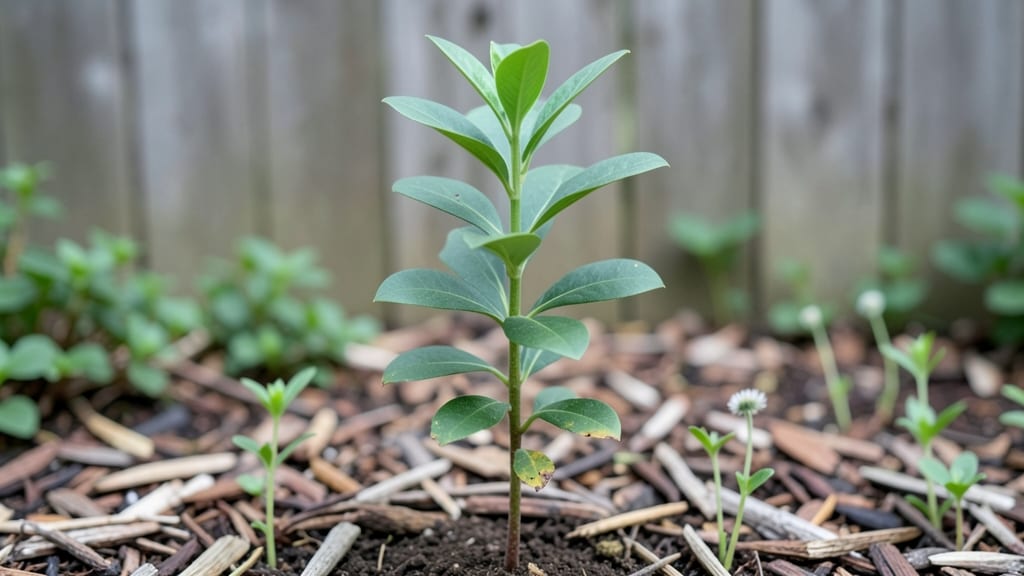
Growing Chinese privet seedlings from seed requires one critical step: cold stratification, and I’ve cracked the code to turn flimsy sprouts into sturdy, blooming shrubs. The secret isn’t complicated—just mimicking winter’s chill in your fridge for 6-8 weeks before planting.
Most people skip this, and their seedlings either rot or refuse to sprout.
You’ll need a few simple supplies: moist paper towels, a sealed plastic bag, and patience. The process works best in fall, so you can plant outdoors by early spring.
Chinese privet thrives in full sun to partial shade, making it perfect for hedges or erosion-prone slopes—just avoid areas where it’s considered invasive, like the southeastern U.S.
Once stratified, your seedlings will shoot up with dark green, glossy leaves and eventually produce fragrant white blooms. Prune lightly after flowering to encourage bushier growth, but avoid heavy cuts—this shrub rewards gentle handling with years of reliable color and structure.
This method guarantees stronger roots and faster establishment than nursery-bought plants. Whether you’re restoring a privacy screen or stabilizing a sloped yard, these seedlings will deliver—just don’t plant them where they’ll escape and take over. Let’s get those seeds stratified!
📚 In This Guide
- What you need
- Instructions
- Tips and common mistakes
- Wrapping up and next steps
What you need
- ● Chinese privet seeds: 10–20 fresh, viable seeds (ensure they’re from a trusted source for best results).
- ● Cold stratification medium: Option 1: Damp peat moss or coco coir (2–3 cups).
- ● Option 2: A mix of sand and peat (50/50 ratio, 2 cups total).
- ● Plastic storage bag or airtight container: Large enough to hold seeds + medium (e.g., 1-gallon Ziploc bag).
- ● Spray bottle: For gently moistening the medium (avoid soaking!).
- ● Label & marker: To tag your container with seed type and date.
- ● Refrigerator or cold frame: Set to 35–45°F (2–7°C) for stratification.
- ○ Small tray or dish: To hold seeds during prep (optional but handy).
- ● Patience: Cold stratification takes 6–12 weeks—plan ahead!
- ● Seedling heat mat: For post-stratification warmth (70–75°F).
- ● Grow lights: If natural light is limited (12–14 hours/day).
- ● Humidity dome: To retain moisture during germination.
- ● Journal: Track moisture levels, temps, and progress!
Step-by-Step guide to cold stratifying Chinese privet seedlings
Here’s how to break dormancy and boost germination rates using proven cold stratification techniques.
Collect and Prepare Fresh Seeds
Harvest Chinese privet seeds in late fall when the berries turn deep purple and begin splitting open. Remove the seeds from the pulp and rinse them thoroughly under cool water to eliminate any remaining fruit residue. Spread them on a paper towel to air-dry for 24 hours—this prevents mold while keeping them viable. I always label the seeds with the harvest date, as fresh seeds germinate more reliably.
Store the dried seeds in a sealed container with a moistened paper towel at the bottom to maintain humidity. Keep them in the refrigerator for 4-6 weeks before stratification begins—this mimics the plant’s natural winter dormancy period. The paper towel should stay damp but not soggy; if it feels dry after a week, mist it lightly with water.
Stratify Seeds for Germination
Fill a small plastic bag with 2 cups of damp sand or perlite—this provides the ideal medium for cold stratification. Place the seeds inside the bag, ensuring they’re surrounded but not buried deeply. Seal the bag loosely with a twist tie, leaving a small gap for airflow. This prevents condensation buildup, which can suffocate seeds.
Store the bag in the refrigerator’s crisp drawer (around 35-40°F) for 8-12 weeks. Check the seeds every 2 weeks—if the sand feels dry, lightly mist it with water. You’ll know stratification is working when the seeds begin to swell slightly or show tiny cracks. Over-stratifying for more than 12 weeks can reduce viability, so monitor closely.
Sow Stratified Seeds in Growing Medium
Once stratified, plant the seeds in a sterile seed-starting mix (never garden soil—it’s too dense). Fill a small pot or seed tray with the mix and press it down lightly to remove air pockets. Make a ¼-inch-deep hole for each seed using your finger or a pencil—this depth ensures proper moisture contact without burying them too deeply.
Place 1-2 seeds per hole, cover lightly with additional mix, and mist the surface with water until evenly damp. Avoid soaking the mix, as Chinese privet seeds are prone to rot if overwatered. Place the tray in a warm, bright location (around 65-70°F) but avoid direct sunlight, which can dry out the soil too quickly.
Provide Ideal Germination Conditions
Germination typically takes 4-8 weeks, depending on seed freshness and stratification success. Keep the soil consistently moist by watering gently from the bottom of the tray—this prevents disturbing the seeds. A humidity dome or plastic wrap can speed up the process, but remove it as soon as sprouts appear to avoid fungal growth.
Once seedlings emerge, move them to a south-facing window or under grow lights for 12-14 hours daily. Weak, leggy seedlings signal insufficient light—adjust the setup immediately. When the first true leaves (not the initial seed leaves) appear, transplant into 3-inch pots with fresh potting mix to encourage stronger root development.
Harden Off and Transplant Young Seedlings
After 6-8 weeks of growth, begin hardening off seedlings by placing them outdoors in a sheltered, shaded spot for 1-2 hours daily. Gradually increase exposure over 10-14 days, ending with full sun tolerance. This prepares them for outdoor planting, which should occur after the last frost when soil temperatures reach at least 60°F. Choose a site with partial shade to prevent stress.
Dig a hole slightly larger than the root ball and plant seedlings 12 inches apart. Water deeply after transplanting to settle the soil and reduce shock. Mulch with 2 inches of organic matter to retain moisture and regulate soil temperature. With proper care, your Chinese privet seedlings will establish quickly and reward you with fragrant blooms in 2-3 years.
Tips & tricks for perfect Chinese privet seedling stratification
Mastering cold stratification for Chinese privet seedlings transforms germination from a gamble to a predictable success. These refined techniques address the subtle details that separate thriving seedlings from failed attempts.
Timing is Everything: The 24-hour air-drying period in Step 1 isn't just about preventing mold—it's about establishing the perfect moisture balance. I've found that using a fan on low speed during this drying phase accelerates the process while maintaining viability. For best results, set your fan to circulate air gently overnight, then remove the seeds in the morning when they're just slightly tacky to the touch. This creates an ideal surface for moisture absorption during stratification without risking fungal contamination.
Medium Selection Matters: While the instructions specify damp sand or perlite, I've had exceptional success using a 50/50 mix of damp sand and coconut coir in Step 2. The coconut coir adds beneficial microbes that support early seedling development, while maintaining the necessary aeration. If you choose this alternative, ensure the mix remains consistently moist but never soggy—Chinese privet seeds are particularly sensitive to waterlogging during this critical phase.
Temperature Consistency: The refrigerator's crisp drawer maintains the ideal 35-40°F range, but not all fridges are created equal. I recommend placing a small thermometer inside the bag during stratification to verify the temperature remains stable. I've seen cases where the drawer temperature fluctuates between 30°F and 45°F, which can significantly impact germination rates. If your fridge runs cooler, consider using a seedling heat mat set to low (around 60°F) for the final 4-6 weeks of stratification to simulate spring conditions.
Visual Cues for Success: In Step 4, when monitoring germination, look for these specific indicators: the seed coat should develop a slight translucency, and you may notice tiny root hairs emerging from the micropyle (the small opening in the seed). These visual cues appear about 2-3 weeks before actual sprouting. This early detection allows you to adjust humidity conditions precisely when they're most critical for successful emergence.
Pro Tips for Chinese Privet Seedling
- Mastering cold stratification for Chinese privet seedlings transforms germination from a gamble to a predictable success.
- Timing is Everything: The 24-hour air-drying period in Step 1 isn't just about preventing mold—it's about establishing the perfect moisture balance.
- Medium Selection Matters: While the instructions specify damp sand or perlite, I've had exceptional success using a 50/50 mix of damp sand and coconut coir in Step 2.
Frequently asked questions
Got questions about growing Chinese privet seedlings? You’re not alone! Here are answers to the most common concerns—from timing to troubleshooting—to help you nurture thriving plants with confidence.
How long does cold stratification take for Chinese privet seeds?
Cold stratification for Ligustrum sinense seeds typically requires 60–90 days in moist, refrigerated conditions (34–40°F). Start this process in late fall or early winter for spring planting. Patience pays off—skipping stratification often results in poor or delayed germination.
When is the best time to plant Chinese privet seedlings outdoors?
Plant seedlings after the last frost (spring) or in early fall (before hard frosts). Aim for soil temps above 60°F for optimal root establishment. If transplanting, water deeply and mulch to retain moisture—this helps reduce shock and encourages faster growth.
Why aren’t my Chinese privet seedlings sprouting after stratification?
Check these common culprits:
- Dampness issues: Seeds need consistent moisture but not soggy soil. Use a spray bottle to keep medium evenly damp.
- Temperature fluctuations: Avoid placing seeds near heaters or drafts. A fridge’s crisper drawer is ideal.
- Old seeds: Viability drops after 1–2 years. Test a few seeds in warm water—if they sink, they’re still good!
Are there faster-growing alternatives to Chinese privet?
If you want quick results, consider cuttings (root in water or perlite) or container-grown seedlings from nurseries. For similar foliage, try Ligustrum vulgare (European privet) or Nandina domestica (heavenly bamboo), though they may have different care needs.
How do I protect seedlings from late spring frosts?
Use frost cloth or a mini greenhouse (like a clear plastic dome) to shield tender new growth. Monitor forecasts and cover seedlings by dusk—remove covers during the day to prevent overheating. A light layer of straw mulch also adds insulation.
Pro Tip:
Label your seedlings! Chinese privet can hybridize with other privets, and distinguishing them later (e.g., L. sinense vs. L. × vicaryi) gets tricky. Use toothpicks with plant names and dates for easy tracking.
Wrapping up and next steps
Growing Chinese privet seedlings with reliable blooms is totally within reach—especially when you master the art of cold stratification! By following the right light exposure, moisture balance, and temperature control, you’ll set your seedlings up for vibrant growth and stunning flowers. 🌱✨
Ready to take the next step? Start by monitoring your seedlings’ progress and adjust their light conditions as needed. With patience and care, your Chinese privet will reward you with lush foliage and fragrant blooms year after year!