
Companion Plants
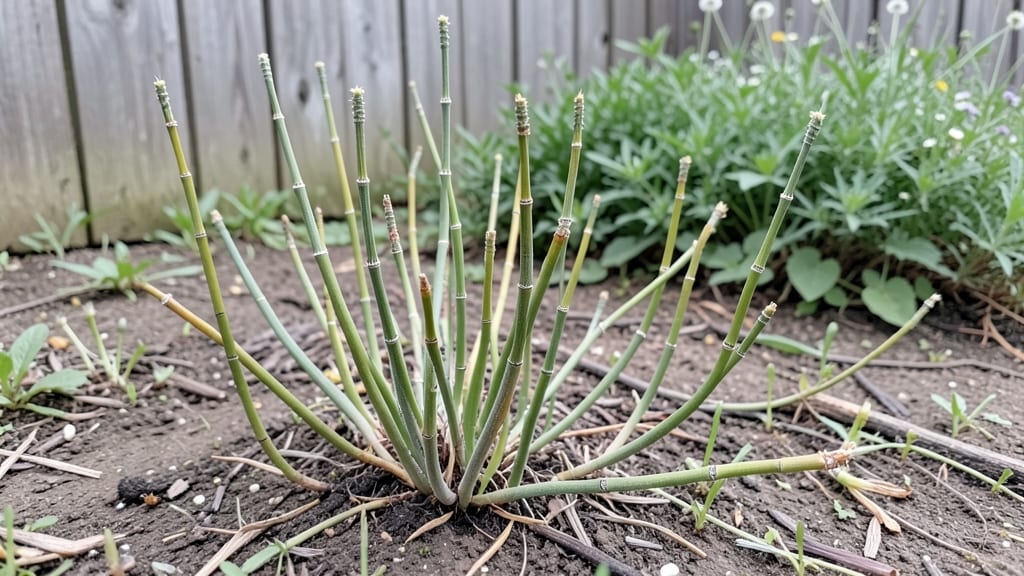
No-seed plants like ferns, mosses, and liverworts thrive in gardens by leveraging shade, moisture, and organic mulch while avoiding competition with flowering or seed-producing species. Pair them with hostas, astilbes, and hellebores for ideal growing conditions.
These non-flowering plants rely on spores instead of seeds, which means they don’t compete for sunlight or nutrients in the same way annuals do. 🌿 Their shallow root systems help retain moisture in shaded areas, making them perfect for understory gardens.
I’ve seen moss carpets transform soggy spots into lush green spaces—just add a thick layer of mulch to keep humidity high and weeds at bay.
When pairing them with other plants, focus on companions that share similar moisture needs and don’t overshadow their delicate foliage. Hostas and hellebores, for example, create a natural understory that protects no-seed plants from harsh winds while providing visual contrast.
The key is balancing their slow growth with faster perennials to prevent overcrowding over time.
💡 In This Article
- How Non-Seed Plants Adapt to Garden Ecosystems
- Best Companion Plants for No-Seed Gardens
How non-seed plants adapt to garden ecosystems
Non-seed plants like ferns and mosses have evolved unique survival strategies that make them thrive in ecosystems where flowering plants struggle. Their reproductive method—using spores instead of seeds—gives them a major advantage in shaded or damp environments.
Spores are microscopic and lightweight, allowing them to disperse easily via wind or water, while seeds require more energy to produce and protect. This means non-seed plants can establish themselves in tight spaces with minimal resources, often forming dense ground covers that suppress weeds naturally.
Their shallow root systems play a critical role in moisture retention. Unlike deep-rooted trees or flowering perennials, these plants absorb water from the topsoil layer, making them ideal for areas with high humidity or poor drainage.
For example, mosses can hold up to 20 times their dry weight in water, creating a self-sustaining microclimate that reduces evaporation. This adaptation explains why they flourish in shaded woodland gardens or along stream banks where sunlight is limited. 🌱 The trade-off?
They rely on consistent moisture—letting their environment dry out too much can cause them to turn brown and crispy within days.
Another key advantage is their symbiotic relationship with fungi. Many non-seed plants form mycorrhizal connections, where fungal networks extend their root systems, improving nutrient uptake—especially phosphorus and nitrogen. This partnership is particularly beneficial in poor or compacted soils, where traditional plants might struggle.
For instance, ferns often grow in areas with acidic, nutrient-poor soil, yet thrive because their fungal partners help break down organic matter. This mutualism also explains why they’re excellent at improving soil structure over time, creating a richer growing medium for future plantings.
Non-seed plants also avoid the energy drain of producing flowers, fruits, and seeds. Without the need to allocate resources to reproduction, they can focus entirely on vegetative growth—spreading via rhizomes or runners instead. This makes them incredibly resilient in competitive environments.
For comparison, a flowering plant like a sunflower might allocate 30-50% of its energy to seed production, while a fern devotes nearly all its resources to leaf and root expansion. This biological efficiency is why they dominate understory ecosystems worldwide.
Finally, their slow growth rate works in their favor in garden settings. Unlike fast-growing annuals that can outcompete them, non-seed plants establish gradually, creating stable communities that resist disturbance.
In my own garden, I’ve noticed that once established, a patch of Polystichum fern can persist for decades with minimal care—unlike flowering perennials that may need annual division or replacement. This longevity makes them perfect for low-maintenance landscapes where you want to reduce tilling and soil disruption.
Understanding these adaptations helps explain why they pair so well with shade-tolerant perennials. Their complementary growth habits create a balanced ecosystem where no single species dominates. The result? A garden that looks lush year-round with minimal effort. 🌿