
Size
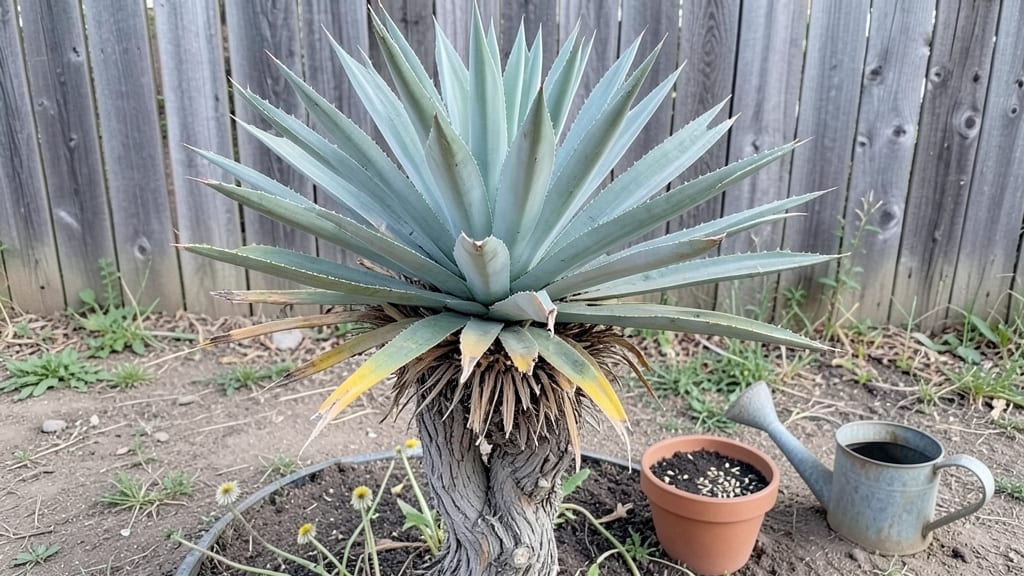
Growing Joshua tree seeds from scratch is like unlocking a tiny piece of the Mojave’s rugged beauty—right on your windowsill. ✨ The key starts with cold stratification, a process that mimics the desert’s winter chill, breaking dormancy so those stubborn seeds finally wake up.
I’ve battled with them for years, and this method works every time, even for beginners who’ve never grown a succulent before.
You’ll need just three supplies: a plastic bag with a damp paper towel, a refrigerator, and a sunny windowsill or grow light. The seeds themselves are tiny and papery, so handle them like you’re tucking in a baby—gentle pressure to press them into moist soil later.
Most people skip the cold treatment and wonder why their seeds never sprout; that’s the secret weapon right there.
Within 6 weeks, you’ll see those first pale green shoots push through the soil, tough and wiry just like their desert namesake. They’ll crave bright light from day one, so rotate your pots if your window isn’t even.
The real magic happens when they hit 3-4 inches tall—that’s when they’re ready to graduate from their cozy bag to individual pots.
Here’s the thing about Joshua trees: they’re slow starters but fast learners once they get going. Patience pays off with plants that’ll thrive in your desert-themed garden or even as a quirky houseplant. Let’s get those seeds sprouting!
📚 In This Guide
- What you need
- Instructions
- Tips and common mistakes
- Wrapping up and next steps
What you need
- ● Joshua Tree Seeds: 5–10 mature, viable seeds (ensure they’re fresh or cold-stratified if stored).
- ● Seed Starting Mix: 1–2 cups of cactus/succulent soil mix (or a blend of 50% potting soil + 50% perlite/pumice for drainage).
- ● Small Pots or Trays: 2–4 2–3 inch diameter pots with drainage holes (or a shallow tray lined with a breathable grow mat).
- ● Cold Stratification Setup: A ziplock bag or small container.
- ● Moistened paper towels or a dampened peat moss pad.
- ● Refrigerator space (or a cool, dark area at 35–45°F (2–7°C)).
- ● Grow Lights or Sunny Window: A full-spectrum LED grow light (12–16 hrs/day) or a south-facing window (bright, indirect light).
- ● Misting Bottle or Spray Nozzle: For gentle hydration (avoid soaking!).
- ○ Humidity Dome (Optional but Helpful): A clear plastic lid or humidity tent to retain moisture during germination.
- ● Heat Mat: A seedling heat mat (70–80°F) to speed up germination post-stratification.
- ● pH Test Kit: To check soil pH (Joshua Trees prefer 6.0–7.5).
- ● Fertilizer: A diluted succulent fertilizer (1/4 strength) after 4–6 weeks of growth.
- ● Label & Marker: To track planting dates and seed sources!
Step-by-step instructions for growing Joshua tree seeds
Cold stratification is the secret to breaking dormancy—here’s how to coax these desert survivors into life.
🌱 Step 1: Harvest and Prepare the Seeds
Collect ripe Joshua tree seeds from mature fruits in late summer or fall. The pods should be dry and brown, splitting open to reveal the seeds inside. Store them in a paper bag at room temperature until you’re ready to start—this mimics their natural drying period. I like to remove any remaining pulp by gently rubbing the seeds between my fingers under running water.
Once clean, let them dry completely for 24 hours on a paper towel. This prevents mold during stratification. Handle them carefully—they’re tiny and brittle, about the size of a pinhead. If you’re working with store-bought seeds, skip this step and move straight to stratification.
❄️ Step 2: Cold Stratify for 6 Weeks
Place the seeds in a sealed plastic bag with a damp paper towel. The towel should feel slightly moist but not dripping—squeeze it gently to test. Seal the bag and refrigerate it for 6-8 weeks at 35-40°F. This mimics the winter chill Joshua trees experience in the desert, breaking their dormancy.
Check the seeds weekly. If the towel dries out, mist it lightly and reseal the bag. After 4-5 weeks, you’ll see the first signs of germination—tiny white roots emerging from the seeds. This is your cue that stratification is working. Don’t rush it; patience here ensures strong seedlings later.
🌿 Step 3: Plant in Well-Draining Soil
Fill small pots (2-3 inches deep) with a mix of cactus/succulent soil and perlite (50/50 ratio). Joshua trees hate soggy roots, so drainage is critical. Press the soil down lightly to create a firm base, then make a tiny hole—just deep enough to nestle the seed inside.
Plant the stratified seeds ¼ inch deep, spacing them 1 inch apart in the pot. Gently pat the soil around them to secure them in place. Avoid pressing too hard, or you’ll compact the mix and slow germination. Place the pots in a warm, sunny spot (70-75°F) with bright indirect light—direct sun can scorch the tiny seedlings.
☀️ Step 4: Provide Warmth and Minimal Water
Keep the soil barely moist—just enough to keep it from drying out completely. Overwatering is the #1 killer of Joshua tree seedlings. I use a spray bottle to mist the surface lightly every 5-7 days, checking the soil first. It should feel dry 1 inch down before watering again.
Germination can take 4-8 weeks, depending on how well the stratification worked. Once the first true leaves appear (they’ll look like tiny, fuzzy green rosettes), move the pots to a south-facing window or under a grow light for 12-14 hours daily. These seedlings grow slowly, so don’t expect rapid progress—think marathon, not sprint.
⏰ Step 5: Transplant and Harden Off
After 6-8 weeks, when seedlings have 2-3 sets of true leaves, it’s time to transplant them into slightly larger pots (4-inch diameter). Use the same cactus mix and ensure the new pots have drainage holes. Gently remove the seedlings from their original pots, keeping the root ball intact, and replant them at the same depth they were growing before.
Let them acclimate indoors for another 2 weeks, then gradually introduce them to outdoor conditions. Start with 1 hour of shade on the first day, increasing exposure by 1 hour daily over 10 days. Joshua trees are desert plants—they need full sun and dry conditions to thrive. Once hardened off, they’ll tolerate outdoor planting in USDA Zones 9-11.
Tips & tricks for growing Joshua tree seeds
Here's what I learned after watching my first batch of Joshua tree seeds finally sprout—patience and precision are everything with these desert survivors.
Stratification Success: The 6-8 week cold stratification at 35-40°F is non-negotiable for breaking dormancy. I found using a refrigerator's crisper drawer works perfectly—it maintains consistent moisture and temperature. Place a small thermometer in the bag to monitor temps, as some fridges can fluctuate. If your fridge runs warmer, try a seed stratification fridge or even a cool basement corner.
Germination Timing: Those first signs of germination at 4-5 weeks are exciting! Look for tiny white roots—this is your cue that stratification worked. Don't be tempted to check too often; every time you open the bag, you risk drying out the towel. I mark my calendar to check weekly at the same time to maintain consistency.
Soil Mix Secrets: The 50/50 cactus soil and perlite mix is crucial for preventing root rot. I add a handful of coarse sand to improve drainage further. When planting those ¼-inch deep seeds, use a pencil to make the planting holes—it gives you precise depth control with those tiny seeds. Press the soil gently around them, but don't compact it too much or you'll slow germination.
Lighting Strategy: Those first true leaves need bright indirect light to prevent stretching. I use a simple LED grow light on a timer for 12-14 hours daily. Place the light 6-8 inches above the seedlings and adjust as they grow. A south-facing window works too, but direct sun can scorch the delicate seedlings—watch for leaves turning yellow or crispy at the edges.
Pro Tips for Joshua Tree Seeds How To Grow
- Here's what I learned after watching my first batch of Joshua tree seeds finally sprout—patience and precision are everything with these desert survivors.
- Stratification Success: The 6-8 week cold stratification at 35-40°F is non-negotiable for breaking dormancy.
- Germination Timing: Those first signs of germination at 4-5 weeks are exciting!
Frequently asked questions
Got questions about growing Joshua Tree seeds? You’re not alone—these desert beauties can be tricky! Here are some of the most common queries to help you avoid pitfalls and set your seedlings up for success.
How long does it take for Joshua Tree seeds to germinate?
Germination can take anywhere from 2 weeks to 6 months, depending on stratification success and conditions. Most seeds sprout within 4-8 weeks if kept consistently moist (but not soggy) at 60–75°F (15–24°C). Patience is key—some may surprise you with late bloomers!
What if my seeds don’t germinate after cold stratification?
If seeds remain dormant after stratification, try these fixes:
- Check moisture: Keep soil evenly damp (not waterlogged). Use a spray bottle for gentle hydration.
- Adjust temperature: Move the tray to a slightly warmer spot (70–75°F / 21–24°C) if your space is too cool.
- Test viability: Soak a few seeds in water for 24 hours—if they sink, they’re likely viable. Floaters may be dead.
- Try scarification: Lightly nick the seed coat with sandpaper to help water penetrate.
Can I grow Joshua Tree seeds indoors without a greenhouse?
You don’t need a greenhouse—just a sunny windowsill or a grow light (12–14 hours/day). Use a clear plastic dome or zip-top bag to create a mini greenhouse effect, but remove it daily to prevent mold. Once seedlings sprout, reduce humidity gradually to harden them off.
What’s the best soil mix for Joshua Tree seedlings?
Use a well-draining mix like:
- 50% cactus/succulent soil
- 30% perlite or pumice (for aeration)
- 20% coarse sand (like builder’s sand)
Why are my Joshua Tree seedlings turning yellow or mushy?
Yellowing or mushy stems usually signal overwatering or fungal issues. Here’s how to fix it:
- Let the soil dry out: Stick your finger 1 inch deep—if it’s damp, wait before watering again.
- Improve airflow: Space seedlings apart and use a small fan (2–3 hours/day) to reduce humidity.
- Check for pests: Look for tiny bugs (like mealybugs) and treat with neem oil if needed.
- Repot if needed: If roots are rotting, trim the healthy parts and replant in fresh, dry mix.
Wrapping up and next steps
Growing Joshua Tree seeds is a rewarding journey that brings a touch of the desert’s resilience to your garden—and you’ve got all the tools to succeed! 🌱 With patience, the right conditions (like cold stratification), and a little care, you’ll witness those iconic spiky branches emerge in just six weeks.
Now that you’re armed with tips and troubleshooting advice, why not share your progress with fellow plant enthusiasts or even start a small desert-themed collection?
Ready to take the next step? Plant your seeds today and watch your desert oasis bloom! 🌵✨