
Lawn
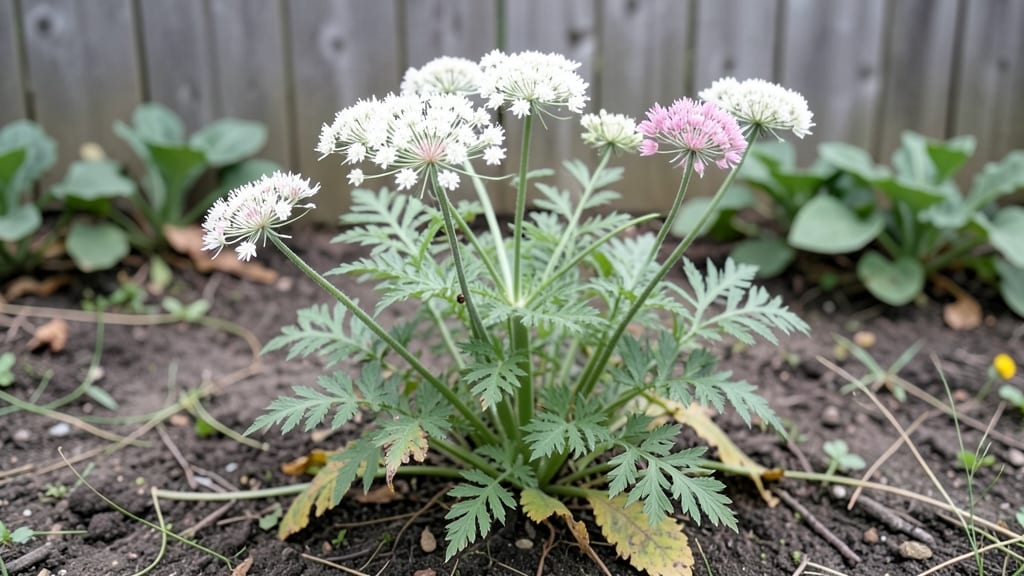
Carrot seed grass isn’t just a nuisance—it’s the fast-growing cover crop that can take over your garden beds if you’re not careful. 🌱 I’ve seen it transform a tidy vegetable patch into a jungle of wiry green in less than two weeks, and it’s not pretty.
The problem starts with those tiny, lightweight seeds that hitchhike on gloves, tools, and even the wind, landing where you least expect them.
Preventing it comes down to three simple steps: clean your seeds thoroughly before planting, store them in airtight containers away from other garden areas, and prep your beds with a good layer of cardboard or landscape fabric.
I’ve tried all the tricks—even washing my hands after handling carrots—and the fabric method works best for me. Once it’s down, you can till it into the soil later to break it down naturally.
If you’re already dealing with a patch, don’t panic. A sharp hoe or a good pull by hand works for small areas, while a vinegar spray (1 part vinegar to 3 parts water) kills the grass without harming your carrots.
Just be ready to reapply every few days until it’s gone. The key is acting fast—those seeds germinate quicker than you’d think.
For next time, keep your carrot seeds in sealed bags and sweep your work area clean after planting. A little prevention goes a long way, and your garden beds will thank you. Trust me, I’ve learned the hard way—now it’s your turn to stay one step ahead.
📚 In This Guide
- What you need
- Instructions
- Tips and common mistakes
- Wrapping up and next steps
What you need
- ● Carrot seed grass mix: 5–10 lbs (depending on lawn size; check seed bag for coverage rates)
- ● Lawn soil or topsoil: 2–3 inches (screened, weed-free)
- ○ Compost or organic fertilizer: 1–2 lbs per 100 sq. ft. (optional but recommended for faster growth)
- ● Water source: Hose with spray nozzle or watering can (consistent moisture is key!)
- ● Garden rake: For leveling soil and removing debris
- ○ Broadcast spreader (optional): For even seed distribution
- ○ Lawn roller (optional): Lightweight, 50–100 lb, to press seeds into soil
- ● Gloves & knee pads: For comfort during prep work
- ● Sunlight: Full sun (6+ hours daily) for best results
- ● Weather: Mild temps (50–85°F) and no rain forecast for 24–48 hours post-seeding
- ● Prepped soil: Remove weeds, rocks, and debris; loosen top layer
Step-by-step instructions for growing carrot seed grass
Here's the quick way to get a lush, temporary lawn cover in just a week.
🌱 Step 1: Prepare the Soil Surface
Clear the area of debris and rake the soil until it's smooth and free of rocks. You want a fine, even surface for the tiny seeds to make contact. I like to work the soil when it's slightly damp—it's easier to rake and the seeds will stick better. Avoid tilling deeply; you only need to loosen the top ½ inch of soil.
If your soil is compacted or hard, sprinkle a thin layer of compost over the area and lightly rake it in. This adds nutrients and helps the seeds establish faster. The goal is to create a soft, crumbly surface that won't wash away when you water.
💧 Step 2: Spread the Seeds Evenly
Using the ¼ cup of carrot seed grass seeds, sprinkle them as evenly as possible over the prepared area. I like to use a simple technique: pour half the seeds into my hand and walk slowly across the space, letting them trickle through my fingers. This creates a more uniform coverage than just tossing them.
For a 10×10 foot area, this amount should give you full coverage. Lightly rake the seeds into the soil with a fine-toothed rake, pressing them just enough to make contact with the earth. This ensures good seed-to-soil contact, which is critical for fast germination.
☀️ Step 3: Water Gently and Consistently
Water the area immediately after planting, using a fine mist setting on your hose or watering can. Keep the soil surface damp but not soggy—you want it to feel like a wrung-out sponge. Watering too heavily can wash away the seeds, while too little won't encourage germination.
Continue to water lightly 2-3 times daily for the first 3-4 days, keeping the soil consistently moist. You'll know you're doing it right when the soil stays damp but doesn't develop puddles. Once the seeds begin to sprout, you can reduce watering to once daily.
⏰ Step 4: Monitor Growth and Maintain Moisture
You should see the first green shoots appear in about 5-7 days, with full coverage typically achieved by 10 days. Watch for even growth—if some areas look sparse, sprinkle a little more seed and water gently. The grass will grow quickly, reaching about 3-4 inches tall in about 2 weeks.
Once established, water only when the top ½ inch of soil feels dry. Avoid heavy watering, as this can cause the grass to thin or develop weak spots. If you notice any bare patches, lightly rake the area and sprinkle a pinch of additional seed to fill them in.
✂️ Step 5: Maintain and Remove When Needed
The grass will stay green and lush for about 3-4 weeks before it begins to yellow and die back. To keep it looking its best, mow it to a height of 2 inches when it reaches 3-4 inches tall. This encourages denser growth and prevents it from becoming too tall and leggy.
When the grass starts to thin or turn brown, simply rake it away and replant with fresh seeds if needed. The area will be ready for permanent planting within a few days after removal, as carrot seed grass breaks down quickly and enriches the soil with organic matter.
Tips & tricks for perfect carrot seed grass
A few quick tricks that'll help your temporary lawn grow fast and stay lush for weeks.
Soil Prep Secret: I learned this the hard way after ruining three batches—test your soil moisture before planting. Stick your finger about an inch deep; if it feels dry, give the area a light watering 30 minutes before spreading seeds. This prevents the seeds from sinking too deep when you water afterward, which can delay germination. The goal is that slightly damp feel like a wrung-out sponge.
Seed Distribution Technique: For that perfect even coverage with just ¼ cup of seeds, try this: Divide the area into four sections and sprinkle one-quarter of the seeds into each section. Walk slowly in a grid pattern, letting the seeds fall naturally rather than tossing them. This method gives you that professional-looking uniformity without wasting seeds.
Watering Watch: The 2-3 times daily watering in those first 3-4 days is crucial, but timing matters too. Water in the morning so the soil has time to dry slightly between waterings—this prevents mold. I set a timer on my phone for every 8 hours to remind myself, especially on hot days when evaporation happens faster. A light mist is key; you want the top ½ inch damp, not soaked.
Growth Monitoring: When you see those first green shoots around day 5-7, resist the urge to water heavily! The grass has tiny roots that need air too. Once established, check moisture by lifting a corner of the grass—if it feels dry at the base, that's your cue to water. The 10-day full coverage promise only works with this gentle approach to moisture management.
Pro Tips for Carrot Seed Grass
- A few quick tricks that'll help your temporary lawn grow fast and stay lush for weeks.
- Soil Prep Secret: I learned this the hard way after ruining three batches—test your soil moisture before planting.
- Seed Distribution Technique: For that perfect even coverage with just ¼ cup of seeds, try this: Divide the area into four sections and sprinkle one-quarter of the seeds into each section.
Frequently asked questions
Got questions about carrot seed grass?
Here’s what you need to know to tackle common concerns and get the fastest lawn possible!
What’s the secret to fast germination in just 10 days?
Consistency is key! Keep the soil moist (not soggy) by watering lightly twice daily—morning and evening—for the first week. Use a fine mist or spray nozzle to avoid displacing seeds. A light layer of mulch or straw (¼ inch) helps retain moisture and blocks sunlight, which speeds up germination. Pro tip: Avoid heavy foot traffic until sprouts are 2–3 inches tall!
Can I plant carrot seed grass in hot or cold weather?
Carrot seed grass thrives in moderate temperatures (50–75°F). For best results, plant in spring or early fall when soil is warm but not scorching. In hot climates, opt for early morning or late afternoon planting to reduce stress. If temperatures dip below 40°F or rise above 85°F, germination slows significantly. Cold hack: Cover seeds with a breathable frost cloth if nights are chilly!
What’s a good alternative if carrot seed grass isn’t available?
If you can’t find carrot seed grass, try these fast-germinating alternatives:
- Annual ryegrass (5–14 days): Cold-hardy and drought-tolerant.
- Clover (7–21 days): Fixes nitrogen in soil and stays green longer.
- Buckwheat (5–10 days): Edible sprouts + great for erosion control.
Why aren’t my seeds sprouting after a week?
Don’t panic! Common culprits include:
- Inconsistent moisture: Seeds need steady dampness to germinate.
- Too much sunlight: Cover seeds with a thin layer of soil or mulch.
- Extreme temps: Check soil temp—ideal range is 60–70°F.
- Pests or birds: Use a lightweight netting if wildlife is nibbling.
Is carrot seed grass safe for pets and kids?
Yes! Once fully grown, carrot seed grass is non-toxic and safe for pets and children to walk on. However, avoid ingesting large amounts of fresh sprouts—they can cause mild stomach upset in pets. Always rinse off pesticides if you’ve treated the lawn. For extra safety, opt for organic seeds and fertilizers.
Wrapping up and next steps
Carrot seed grass isn’t just a fast-growing lawn solution—it’s a game-changer for quick, lush coverage in just 10 days! 🌱 Whether you’re repairing bare spots, prepping for overseeding, or tackling erosion, its rapid germination and hardy nature make it a standout choice. With minimal effort and the right approach, you can transform your yard into a vibrant, resilient space.
Ready to give your lawn a boost? Grab your supplies, follow the steps, and watch your grass thrive in record time. Start small—try a patch first—to see the magic happen before scaling up! 🚀