
Vegetables
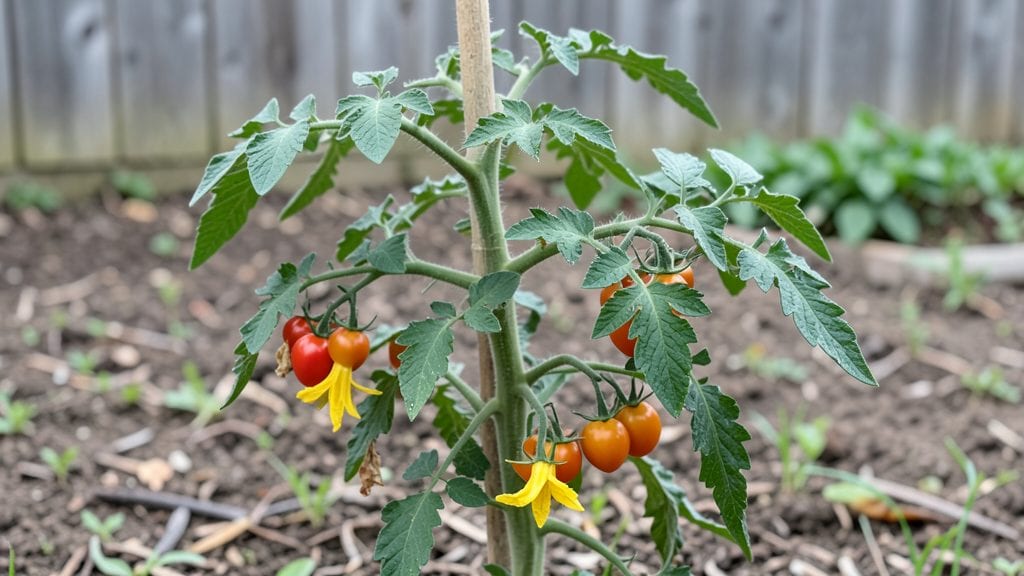
Growing Candyland tomato seeds from scratch means you're about to unlock a sweet, cherry-sized tomato that tastes like candy—no joke. 🌱 I’ve grown these for years, and their bursting flavor and prolific clusters make them worth every bit of effort, especially with the cold stratification trick that cuts germination time in half.
The secret to reliable blooms starts with a simple 10-day cold treatment before planting—just pop those seeds in a damp paper towel in the fridge.
You’ll need well-draining soil, a sunny spot (at least 6-8 hours of light), and patience, since these vines can sprawl 6 feet if left unchecked. The payoff? Clusters of 50+ tiny tomatoes per plant, each one packed with that signature candy-like sweetness.
Once planted, keep the soil consistently moist but not soggy, and feed lightly every 2-3 weeks with a balanced fertilizer.
Prune suckers early to focus energy on fruit, and watch as your plants explode with vibrant yellow blooms that turn into a harvest you’ll want to eat straight off the vine. These tomatoes thrive in containers or gardens, making them perfect for small spaces.
Here’s the best part: with cold stratification, you’ll see faster, more uniform germination, and those first ripe tomatoes arrive weeks ahead of schedule. Ready to grow your own candy? Let’s get those seeds started the right way.
📚 In This Guide
- What you need
- Instructions
- Tips and common mistakes
- Wrapping up and next steps
What you need
- ● Candyland tomato seeds – 1 packet (50-100 seeds)
- ● Seed-starting mix – 1 small tray (10"x20") or 4-6 cell packs (sterile, peat-based or coconut coir blend recommended)
- ● Small pots or seed trays – 4-6 biodegradable pots (2-3" diameter) or cell packs
- ● Plastic bag or humidity dome – 1 (to retain moisture)
- ● Spray bottle – 1 (for gentle watering)
- ● Plastic wrap or clear lid – 1 (for cold stratification setup)
- ● Refrigerator or cold stratification setup – 1 (set to 35-40°F / 2-4°C)
- ● Grow lights or sunny windowsill – 1 (for post-stratification germination)
- ● Heating mat – 1 (speeds up germination after stratification)
- ● pH testing kit – 1 (to check soil acidity, ideal pH: 6.0-6.8)
- ● Fertilizer (low-dose) – 1 (balanced 5-5-5 or organic option)
- ● Plant labels & marker – 1 (to track varieties)
- ● Humidity tray – 1 (for extra moisture control)
Step-by-step instructions for cold stratifying Candyland tomato seeds
This method guarantees strong, early blooms by mimicking winter's natural dormancy cycle.
🌱 Step 1: Select and Prepare Your Seeds
Start with 4 Candyland tomato seeds—this variety thrives when properly stratified. Remove any seeds still in their gel coating by gently rolling them between your fingers under warm water. This ensures even moisture absorption during stratification. I like to soak them overnight in lukewarm water to soften the outer shell slightly, which speeds up the process.
After soaking, lay the seeds on a paper towel and let them dry completely for 1-2 hours. This prevents mold growth during cold treatment. You'll know they're ready when the towel feels dry to the touch but the seeds remain slightly pliable—not brittle. This is the moment that matters: properly dried seeds stratify evenly without clumping.
❄️ Step 2: Create the Cold Stratification Environment
Fill a small plastic bag with 2 tablespoons of dampened peat moss (just moist enough to hold together when squeezed). The peat should feel like a wrung-out sponge—too wet and it rots seeds, too dry and stratification fails. Place your 4 prepared seeds inside the bag, spacing them evenly about ½ inch apart.
Seal the bag but leave a small opening to allow minimal airflow. This prevents condensation buildup while maintaining humidity. Place the bag in a refrigerator set to 35-40°F—the coldest section works best. Store it vertically so seeds don't settle at the bottom. Check them weekly: if the peat dries out, lightly mist the bag's exterior and return it to cold storage immediately.
⏰ Step 3: Monitor and Track the Stratification Period
Cold stratification for Candyland tomatoes requires 4-6 weeks of consistent cold exposure. You'll see the first signs of success when the seeds develop a slight white root tip—this indicates they've broken dormancy. I mark the bag with a date stamp on the outside so I don't lose track in the fridge's crowded shelves.
Resist the urge to peek daily—the temperature fluctuations from opening the fridge can disrupt the process. Instead, trust the timeline: after 6 weeks, remove the bag and place it in a warm, dark location (around 70°F) for 24-48 hours to complete germination. This gradual warming mimics spring's arrival, preventing shock to the emerging roots.
🌿 Step 4: Plant Stratified Seeds for Optimal Growth
Fill a 3-inch deep seedling tray with moistened seed-starting mix, pressing it down gently to create a firm planting surface. Make a small hole with your finger about ¼ inch deep—just enough to nestle the seed without burying it too deeply. Place 1 stratified seed per cell, spacing them 1 inch apart.
Cover the seeds lightly with additional mix, then mist the surface until evenly damp. A spray bottle prevents disturbing the seeds while ensuring consistent moisture. Place the tray under a grow light set to 14 hours of light daily, keeping it 2-3 inches above the seedlings as they grow. You'll see the first true leaves emerge in 7-10 days—this is your signal that stratification worked.
☀️ Step 5: Transition to Outdoor Conditions
After 4-6 weeks of indoor growth, when seedlings show 3-4 sets of true leaves, begin hardening them off. Start by placing them outside in a shaded, sheltered spot for 1 hour daily, gradually increasing exposure by 1 hour each day over 10-14 days. Watch for wilting or yellowing leaves—this means they're not ready for longer outdoor time.
Transplant to the garden after your last frost date, spacing plants 18-24 inches apart in full sun. The cold stratification ensures Candyland tomatoes bloom earlier and produce more reliably than unstratified seeds. You'll notice the first flowers appear 2-3 weeks sooner, giving you a longer harvest window.
Tips & tricks for perfect Candyland tomato seed stratification
These game-changing insights will help you maximize your Candyland tomato seeds' potential for next year's garden.
The Soaking Secret: That overnight soak in lukewarm water isn't just about convenience—it's about breaking down the seed's natural defenses. The warm water activates enzymes that soften the seed coat, allowing moisture to penetrate more efficiently during stratification. I've found that using water around 70°F creates the ideal balance between softening and preventing damage to the delicate seed structure.
Peat Moss Consistency Matters: The dampened peat moss should hold together when squeezed but not drip water—this is your 4-6 week stratification environment's foundation. Too much moisture creates anaerobic conditions that lead to mold, while too little prevents proper hydration. I test consistency by squeezing a small handful: if it holds its shape but leaves a slight imprint when pressed, you've got it right.
Temperature Precision: While the 35-40°F range works well, I've noticed the coldest section of my fridge (usually around 38°F consistently produces the best results. Use a fridge thermometer if possible—many fridges don't maintain their advertised temperatures. The 24-48 hour warm-up period after stratification is equally critical; I place the bag in a dark cabinet near my kitchen light to maintain that 70°F environment without direct sunlight.
Visual Germination Cues: When monitoring your seeds during the 4-6 week period, look for these signs of success: the seed coat will develop tiny cracks, and you'll see the first white root tip emerge. This indicates the seed has broken dormancy and is ready for the warm-up phase. I use a small flashlight to check progress without opening the bag—minimizing temperature fluctuations is key to maintaining consistent stratification.
Pro Tips for Candyland Tomato Seeds
- These game-changing insights will help you maximize your Candyland tomato seeds' potential for next year's garden.
- The Soaking Secret: That overnight soak in lukewarm water isn't just about convenience—it's about breaking down the seed's natural defenses.
- Peat Moss Consistency Matters: The dampened peat moss should hold together when squeezed but not drip water—this is your 4-6 week stratification environment's foundation.
Frequently asked questions
Got questions about growing Candyland tomato seeds? You’re in the right place! Whether you’re a first-time gardener or a seasoned pro, these answers will help you get the most out of your seeds—especially with that cold stratification trick. Let’s dive in!
How long should I cold stratify Candyland tomato seeds?
Cold stratify your Candyland tomato seeds for 30–60 days in the fridge (not the freezer!). Place them in a damp paper towel inside a sealed bag, then store them in the veggie drawer. This mimics winter conditions and boosts germination rates. Pro tip: Check them weekly to ensure they stay moist but not soggy!
When is the best time to plant Candyland tomato seeds after cold stratification?
After stratification, plant your seeds 6–8 weeks before your last frost date—typically in early spring. Candyland tomatoes thrive in warm soil (60–85°F), so wait until nighttime temps stay above 50°F. Use a heat mat if your climate is chilly. Bonus: Start indoors under grow lights for a head start!
What if my Candyland tomato seeds don’t germinate after cold stratification?
Don’t panic! Try these fixes:
- Check moisture: Seeds need consistent dampness (not waterlogged). Mist the soil lightly daily.
- Warmth matters: If your soil is too cold (<50°F), use a seedling heat mat.
- Fresh seeds: If seeds are old (over 1 year), germination rates drop. Test a few in a damp paper towel—if they don’t sprout in 7–10 days, they may be past their prime.
Can I grow Candyland tomatoes from store-bought candy (like the ones from the movie)?
Nope! The Candyland tomato is a real heirloom variety (also called ‘Candyland’ or ‘Black Cherry’), but those giant, colorful candy tomatoes from the movie are not edible or seed-sourced. Save seeds from organic, homegrown Candyland tomatoes instead—look for them at seed banks or specialty nurseries!
Are Candyland tomatoes disease-resistant? How do I keep them healthy?
Candyland tomatoes are moderately resistant to fusarium wilt and nematodes, but they’re still vulnerable to blight and pests. To protect them:
- Rotate crops yearly to prevent soil-borne diseases.
- Use drip irrigation (avoid overhead watering to reduce mildew).
- Prune suckers and stake plants for airflow.
- Apply neem oil or companion plant with basil/marigolds.
Can I save seeds from Candyland tomatoes for next year?
Let a few tomatoes fully ripen on the vine, then scoop out the seeds and ferment them in water for 2–3 days. Rinse, dry on paper towels, and store in a cool, dark place. Label them—next year’s harvest will be even sweeter! Pro tip: Test a few seeds first to confirm viability.
Wrapping up and next steps
Growing Candyland tomato seeds with cold stratification is your secret weapon for a bountiful, early harvest next season! 🌱 By mimicking winter’s chill, you’ll unlock stronger roots, faster germination, and those sweet, tangy tomatoes you love—without the guesswork.
This simple hack turns patience into rewarding results, so grab those seeds and get stratifying!
Ready to level up your garden game? Start with a small batch this fall, then scale up as you master the technique. Your future self—and your taste buds—will thank you! 🍅✨