
Vegetables
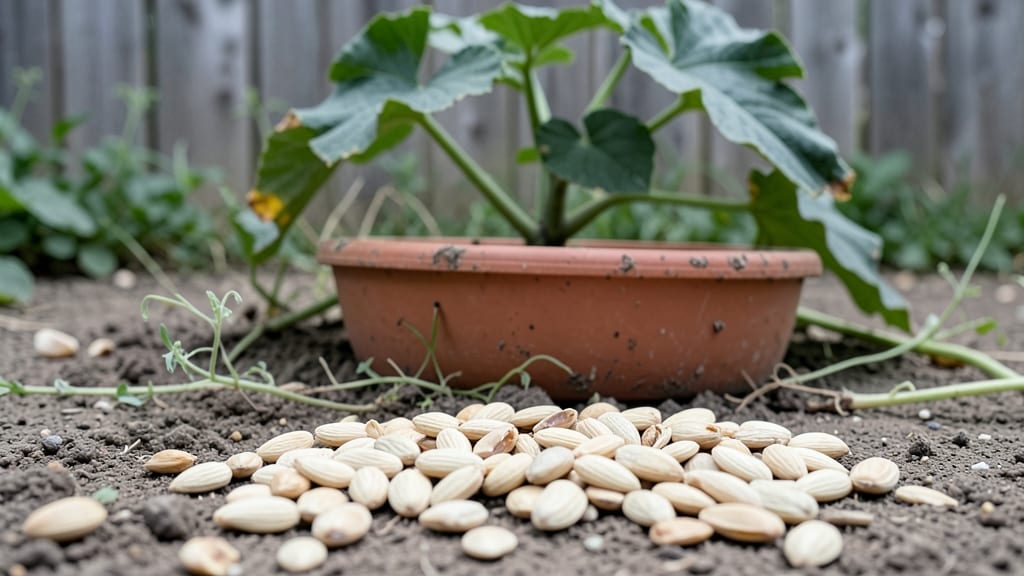
Raw pumpkin seeds offer chickens a nutrient boost, particularly vitamin E and magnesium, which support feather health and muscle function. 🌟 However, their high fat content means you should limit portions to about 1-2 teaspoons per chicken weekly—too much can lead to weight gain or loose stools.
Always remove shells first to avoid choking, and opt for unsalted seeds to prevent dehydration. For variety, consider offering cooked seeds or the edible pumpkin flesh instead, which are gentler on their digestive systems.
Introduce seeds gradually to monitor your flock's reaction. Signs of overfeeding include lethargy or runny droppings—if you notice these, reduce the amount or switch to a different treat.
Many chicken keepers also find that roasted seeds (without added salt or oil) are easier on digestion while retaining most of their nutritional benefits.
💡 In This Article
- Nutritional Value and Risks of Raw Pumpkin Seeds for Chickens
- Best Ways to Feed Pumpkin Seeds to Chickens Safely
Nutritional value and risks of raw pumpkin seeds for chickens
Raw pumpkin seeds pack a nutritional punch for chickens, delivering approximately 19 grams of protein per 1 ounce (about 28 seeds), which supports muscle development and feather quality.
The seeds also contain vitamin E (26% DV per ounce), a powerful antioxidant that strengthens their immune system and improves egg production. Magnesium (25% DV) in pumpkin seeds aids calcium absorption, crucial for strong eggshells and bone health.
However, the high fat content—around 50% of their calories—means chickens can easily overconsume these treats if not monitored.
The fiber content in raw pumpkin seeds (about 1.7 grams per ounce) provides digestive benefits, but too much can cause loose droppings or bloating in chickens. Their hard outer shells pose a choking hazard, especially for younger birds, while the thin seed coats can splinter if not properly shelled.
The natural oils in raw seeds also have a slightly bitter, earthy flavor that some chickens may reject unless introduced gradually. 💫
For optimal digestion, chickens process pumpkin seeds best when served in small, frequent amounts rather than all at once. A safe starting point is 1 teaspoon per chicken per week, which provides nutritional benefits without overwhelming their digestive systems.
Compare this to commercial treats, which often contain 5-10% protein—pumpkin seeds offer nearly four times that concentration, making them a potent but high-stakes treat.
Here's what happens when chickens eat too many raw pumpkin seeds: the high fat content can lead to weight gain, while excess fiber may cause diarrhea or reduced nutrient absorption from their regular feed.
The seeds' natural oils also have a laxative effect when consumed in excess, which is why moderation is key. For reference, a 1-pound bag of raw pumpkin seeds contains enough fat to potentially cause digestive upset in a flock of 10 chickens if fed daily.
To mitigate risks, always shell the seeds and remove any debris or hull fragments that could irritate their digestive tracts. The seeds' texture is hard and crunchy, which can wear down chickens' beaks if they peck aggressively.
For older chickens with weaker digestion, lightly roasting the seeds (without added salt or oil) can enhance digestibility while preserving most nutrients. 🔥
Consider this comparison: while raw pumpkin seeds offer concentrated nutrition, pumpkin flesh (the edible part) provides similar benefits with 90% less fat and 100% less choking risk.
The flesh contains vitamin A (great for eye health) and is easier for chickens to digest, making it a safer alternative for daily feeding.