
Trees
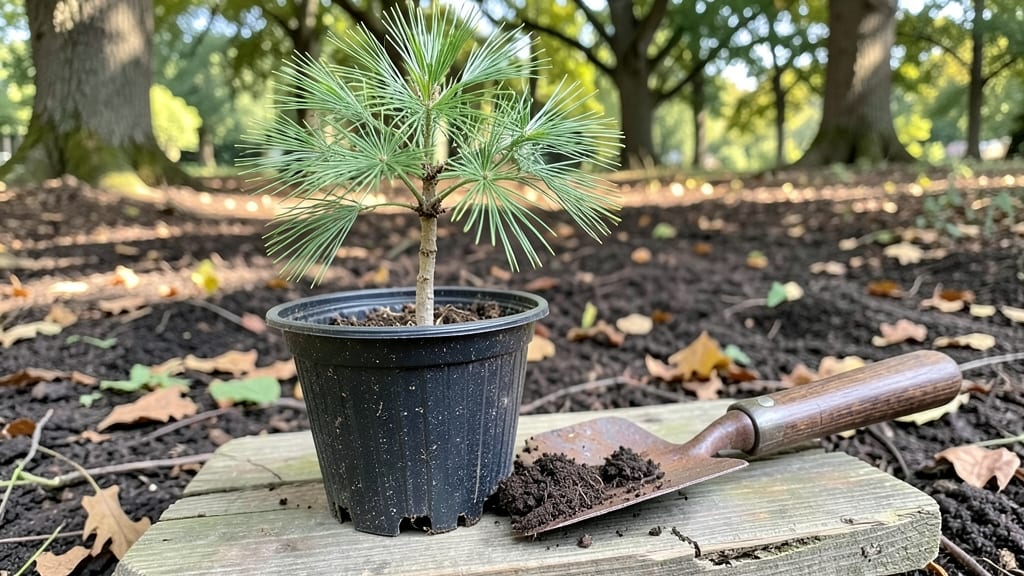
Growing a bald cypress seedling starts with the right conditions—moist, rich soil and consistent watering to help those delicate roots take hold. I’ve watched seedlings struggle when planted too dry, but with the proper setup, they’ll establish roots in just 3-4 weeks and shoot up faster than you’d expect.
The secret isn’t complicated: keep the soil damp (not soggy) and plant deep enough so the top of the root ball sits 1-2 inches below ground level.
Bald cypress thrives in zones 5-11, but the key is mimicking its natural swampy habitat—whether you’re in the Deep South or a cooler climate. Too much sun too soon can scorch young leaves, so start them in partial shade if your area gets intense afternoon heat.
Once planted, you’ll notice new growth within 2-3 weeks—long, glossy needles and sturdy stems that tell you it’s happy. The first year focuses on watering deeply 2-3 times a week (more in hot weather) and avoiding heavy mulch that smothers roots.
Skip the fertilizer; these seedlings grow best when left alone to develop naturally.
Common pitfalls? Overwatering leads to rot, while underwatering causes transplant shock. If your seedling wilts, don’t panic—just give it a deep drink and shade it for a day.
With the right care, you’ll have a 6-foot tree by its second year, ready to handle full sun and occasional droughts like a pro.
📚 In This Guide
- What you need
- Instructions
- Tips and common mistakes
- Wrapping up and next steps
What you need
- ● Bald cypress seedling (1-3, depending on desired coverage; choose Taxodium distichum with healthy roots and vibrant green needles).
- ○ Well-draining, acidic soil mix (3-5 gallons; pH 5.0–6.5). Optional: Add peat moss or sphagnum for moisture retention.
- ● Garden gloves (1 pair; waterproof for wet conditions).
- ● Trowel or spade (1; 8–12 inches long for digging).
- ● Mulch (2–3 cubic feet; pine straw or wood chips to retain moisture and suppress weeds).
- ● Watering can or hose with a gentle spray nozzle (for consistent moisture without disturbing roots).
- ○ Stakes and twine (2–4 stakes + twine; optional for young seedlings in windy areas).
- ● Location scouted: Choose a spot with 6+ hours of sunlight and consistent moisture (pond edges, rain gardens, or low-lying areas).
- ○ pH test kit (1; optional to verify soil acidity before planting).
- ● Fertilizer (1 bag; balanced 10-10-10 or acid-loving plant fertilizer; apply sparingly—cypress prefers lean soil!).
- ○ Drip irrigation system (1; optional for automated watering in dry spells).
- ● Pruners (1; sterilized for trimming dead branches later).
Instructions for establishing bald cypress seedlings with rapid root development
Here's how to give your moisture-loving seedlings the ideal start for swift, vigorous growth.
Prepare the Planting Site for Optimal Moisture Retention
Choose a location that receives full sun to partial shade—bald cypress thrives where it gets at least 6 hours of sunlight daily but appreciates afternoon shade in hot climates. Clear the area of weeds and rocks, then loosen the top 12 inches of soil with a garden fork to improve drainage while maintaining moisture.
Amend the soil with 2-3 inches of organic compost mixed into the loosened area. Bald cypress prefers slightly acidic to neutral soil (pH 5.0-7.0), so test your soil and adjust with sulfur or lime if needed. Water the prepared area thoroughly 24 hours before planting to ensure the soil is uniformly moist but not waterlogged.
Plant Seedlings at the Correct Depth and Spacing
Dig a hole twice as wide as the root ball but only as deep as the container—planting too deep can suffocate the roots. Gently remove the seedling from its container and loosen any circling roots with your fingers. Place the seedling in the hole so the top of the root ball sits 1 inch below the soil surface.
Fill the hole with soil, pressing lightly to eliminate air pockets but avoiding compaction. Space seedlings 10-15 feet apart to allow for their mature spread. Water deeply immediately after planting to settle the soil and encourage root contact with the surrounding earth. You'll know it's done right when water drains evenly without pooling.
Maintain Consistent Moisture for Rapid Root Establishment
Keep the soil consistently moist for the first 4-6 weeks—this is critical for root development. Water deeply 2-3 times per week, adjusting based on rainfall and soil dryness. Bald cypress roots need oxygen, so avoid soggy conditions, but never let the soil dry out completely. A good rule of thumb: water when the top 2 inches of soil feel dry to the touch.
Apply a 2-inch layer of mulch around the base of the seedling, keeping it 6 inches away from the trunk to prevent rot. Use organic mulch like pine straw or wood chips, which break down slowly and improve soil moisture retention. Replenish mulch annually to maintain its protective layer.
Provide Support and Monitor Growth Progress
Young bald cypress seedlings may need staking if they appear top-heavy or in windy areas. Use 2-3 stakes per seedling, positioning them 6 inches from the trunk and tying the seedling loosely with soft fabric strips. Check stakes monthly to ensure they’re not restricting growth as the seedling matures.
Watch for new growth as a sign of successful establishment. Within 6-8 weeks, you should see 2-3 inches of new shoot growth and stronger root development. If leaves yellow or wilt, it’s often a sign of overwatering or poor drainage—adjust your watering schedule accordingly.
Transition to Independent Care After Initial Growth
Once seedlings show steady growth for 8-10 weeks, gradually reduce watering to once per week, allowing the soil to dry slightly between waterings. This helps harden the roots for long-term resilience. Fertilize lightly with a balanced, slow-release fertilizer in early spring to support continued growth without overwhelming the young plant.
By this stage, your bald cypress seedlings should be well on their way to becoming sturdy, moisture-loving trees. Continue monitoring soil moisture and growth progress—consistent care now ensures a strong foundation for years to come.
Tips & tricks for establishing bald cypress seedlings
These essential strategies will help you accelerate root development and ensure your moisture-loving seedlings thrive from the very first planting.
Soil Preparation is Non-Negotiable: The 24-hour pre-watering in Step 1 is crucial for creating the ideal planting environment. Test your soil moisture after this period—it should feel like a wrung-out sponge, neither bone-dry nor saturated. If your soil drains too quickly (common in sandy areas), mix in an additional inch of organic compost to improve moisture retention without compacting the roots. This preparation directly impacts how quickly roots establish in those first critical 4-6 weeks.
Root Ball Handling Technique: When removing seedlings from containers in Step 2, never pull by the stem—always grasp the base of the root ball. If you notice circling roots (common with container-grown seedlings), gently tease them apart with your fingers before planting. These roots can strangle new growth if left intact. The goal is to encourage outward root expansion, which happens most effectively when the root ball is positioned just 1 inch below soil level as specified.
Watering Precision Matters: The 2-3 times per week guideline in Step 3 assumes average rainfall conditions. In hotter climates or during summer months, you may need to water daily—always check that top 2 inches of soil before watering. A simple way to monitor this is to insert a wooden skewer into the soil; if it comes out clean, it's time to water. Overwatering is just as damaging as underwatering—your seedlings need consistent moisture, not soggy conditions that suffocate roots.
Mulch Application Strategy: The 2-inch mulch layer in Step 3 serves two critical purposes: moisture retention and weed suppression. Apply it immediately after planting to create a protective barrier. Use pine straw or wood chips specifically because they decompose slowly, maintaining their insulating properties. Keep it 6 inches away from the trunk to prevent rot—this is often where new gardeners make mistakes that compromise seedling health.
Pro Tips for Bald Cypress Seedling
- These essential strategies will help you accelerate root development and ensure your moisture-loving seedlings thrive from the very first planting.
- Soil Preparation is Non-Negotiable: The 24-hour pre-watering in Step 1 is crucial for creating the ideal planting environment.
- Root Ball Handling Technique: When removing seedlings from containers in Step 2, never pull by the stem—always grasp the base of the root ball.
Frequently asked questions
Got questions about growing bald cypress seedlings?
You’re not alone! Here are answers to the most common queries to help you nurture strong, healthy roots from day one.
How long does it take for bald cypress seedlings to establish roots?
A bald cypress seedling typically develops a robust root system in 4–8 weeks under ideal conditions—consistent moisture, well-draining soil, and partial shade. Monitor soil dampness (not soggy!) and avoid transplanting until roots reach at least 6–12 inches deep for stability.
When is the best time to plant bald cypress seedlings?
Plant seedlings in early spring or late fall when temperatures are mild (50–75°F). Avoid extreme heat or frost, which can stress young roots. If planting in summer, opt for morning shade and frequent watering to prevent wilting.
How often should I water bald cypress seedlings?
Keep soil consistently moist but not waterlogged—water 2–3 times per week (daily in hot/dry spells). Use a soaker hose or drip irrigation to deliver water directly to roots. Overwatering can suffocate roots, while underwatering stunts growth.
Can I grow bald cypress from seed instead of buying seedlings?
Yes! Collect seeds in late fall (they float in water—look for cone clusters). Soak seeds in water for 24 hours, then plant in pots with moist peat moss. Germination takes 2–4 weeks, but seedlings grow slower than nursery-bought ones. For faster results, buy 1–2 year old seedlings.
What pests or diseases should I watch for in seedlings?
Common issues include:
- Root rot: Caused by overwatering or poor drainage. Fix by improving soil aeration and reducing water.
- Bagworms: Tiny caterpillars that munch leaves. Remove by hand or spray with neem oil.
- Fungal leaf spots: Prune affected leaves and apply copper fungicide if needed.
How do I know if my bald cypress seedling is healthy?
A thriving seedling has:
- Bright green, flexible needles (not yellow/brown).
- Steady growth (2–6 inches per year).
- No wilting even during dry spells.
- Firm, white roots (not mushy or black).
Wrapping up and next steps
Growing a bald cypress seedling is a rewarding journey—especially when you prioritize moisture, well-draining soil, and patience. By following the right steps, your seedling will thrive and develop a strong root system, setting the stage for a stunning, resilient tree. 🌳
Ready to take the next step? Plant your seedling soon in a suitable location, monitor its progress, and enjoy the beauty of this adaptable tree as it grows. Happy gardening!