Advice
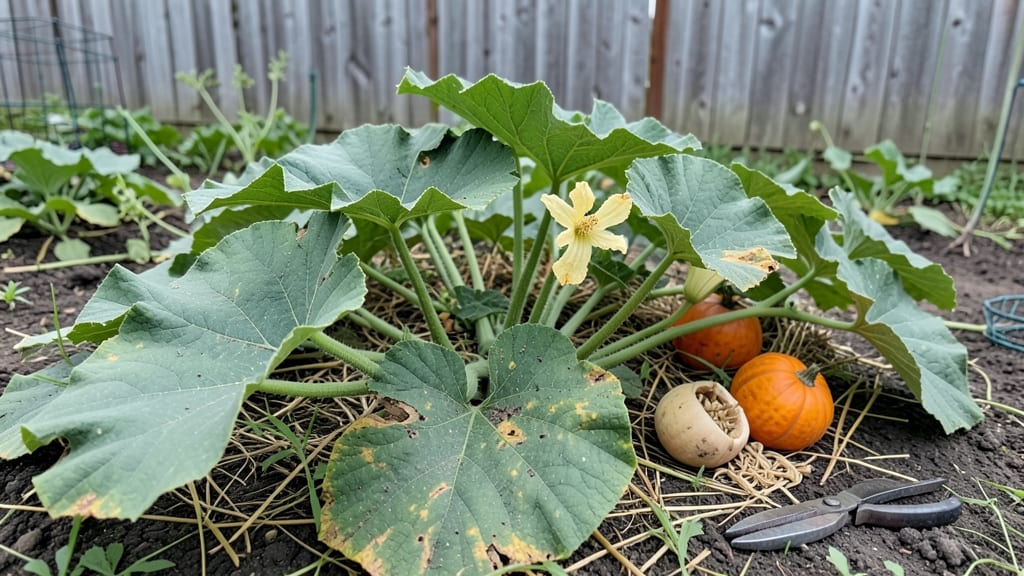
Pumpkin seeds are not poisonous when properly prepared, but raw or improperly dried seeds may contain cucurbitacin toxins, which can cause stomach upset or worse. Roasting or boiling removes these compounds, making them safe for human and pet consumption in moderation.
Pumpkin seeds only become safe to eat after proper heat treatment, which breaks down the natural toxins called cucurbitacins. These compounds are most concentrated in raw seeds and can trigger nausea, vomiting, or allergic reactions in sensitive individuals. 🔥 The good news?
A simple 30-minute roast at 350°F neutralizes these toxins entirely, unlocking their nutritional benefits like magnesium and zinc. Even pets can enjoy them safely once properly prepared, though moderation is key for both humans and animals.
What many people don't realize is that the risk varies by seed variety—some pumpkin types contain higher levels of cucurbitacins naturally. Always choose seeds from well-processed, reputable sources to avoid any potential issues.
I've found that lightly salted roasted seeds make a perfect snack, but I recommend avoiding raw seeds entirely unless you're certain about their processing history.
💡 In This Article
- Toxins in Raw Pumpkin Seeds: Cucurbitacin Breakdown
- Safe Pumpkin Seed Consumption: Preparation and Dosage
Toxins in raw pumpkin seeds: cucurbitacin breakdown
The natural toxins in raw pumpkin seeds belong to the cucurbitacin family, with cucurbitacin E being the most studied. These bitter-tasting compounds act as a defense mechanism for the plant, deterring pests and predators.
In humans, they can trigger gastrointestinal distress, ranging from mild nausea to severe vomiting, depending on dosage and individual sensitivity. The skin and outer layers of raw seeds contain the highest concentrations, making thorough preparation essential for safe consumption.
Here's what's actually happening chemically: cucurbitacins are heat-sensitive terpenoid compounds that decompose at temperatures above 160°F. When you roast seeds at 350°F for 20-30 minutes, these molecules break down into harmless byproducts through a process called thermal degradation.
The same principle applies to boiling—submerging seeds in water at 212°F for 10 minutes achieves similar detoxification. What's fascinating is that some heirloom pumpkin varieties contain up to 10x more cucurbitacins than commercial varieties, which is why wild pumpkin seeds carry higher risks.
The effects on the body vary dramatically between raw and processed seeds. Raw seeds can cause symptoms within 30 minutes to 2 hours, including stomach cramps, diarrhea, and even allergic skin reactions in sensitive individuals.
The body metabolizes these toxins primarily through the liver, which is why children and pets are particularly vulnerable—their liver enzymes are less efficient at processing them. 💫 This is why veterinary experts recommend avoiding raw seeds entirely for pets, even in small amounts.
What most people don't realize is that the bitterness test isn't foolproof. Some cucurbitacin varieties are odorless and tasteless, meaning you can't always rely on flavor to assess safety.
For example, certain Asian pumpkin varieties contain cucurbitacin B, which has a much lower detection threshold than cucurbitacin E. The only reliable safety measure is proper heat treatment—either roasting, boiling, or commercial processing that guarantees toxin reduction to safe levels below 0.001% of the original concentration.
Consider these key factors when evaluating seed safety:
- Seed source: Wild or heirloom seeds carry higher risks than commercially processed varieties
- Processing method: Roasting at 350°F is most effective; boiling requires longer duration
- Visual cues: Properly processed seeds have a uniform golden-brown color without greenish tinges
- Storage conditions: Improper drying can reactivate residual toxins over time
The science behind why some varieties are riskier involves plant breeding history. Modern commercial pumpkins have been selectively bred to minimize cucurbitacin content, while traditional varieties maintain higher toxin levels as a natural defense. This is why seeds from store-bought pumpkins are generally safer than those from homegrown heirloom plants.
The key takeaway? Always assume raw pumpkin seeds are unsafe unless you've confirmed their processing history through reputable sources or your own heat treatment.