
Propagation
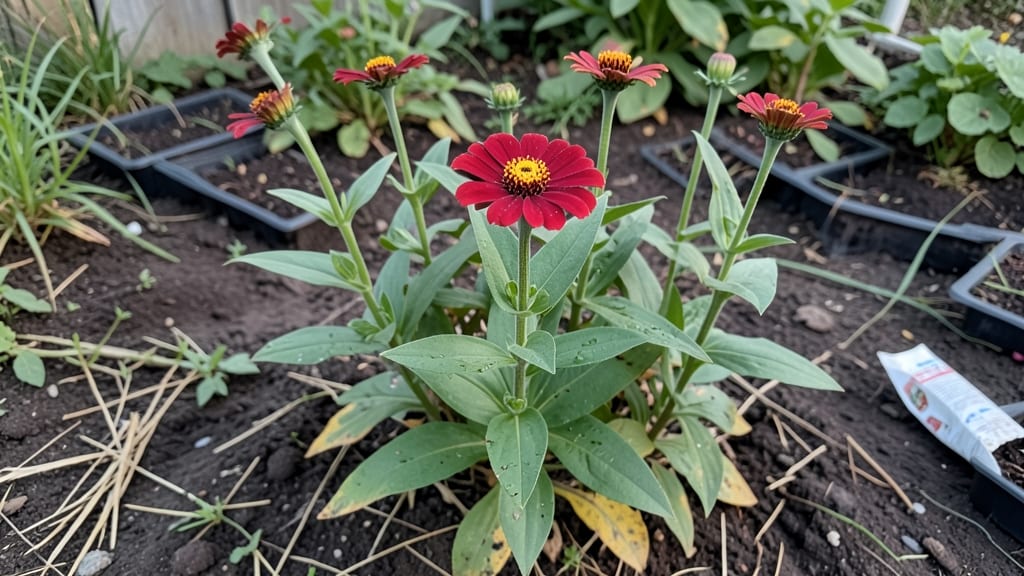
Flipping through zinnia seeds images always reminds me of the magic hidden in those tiny specks—because watching them burst into color is a garden’s best-kept secret. 🌻 I’ve grown zinnias for years, and the secret to their jaw-dropping displays starts with timing: plant them too early, and they bolt; too late, and you miss peak summer color.
The right moment turns a handful of seeds into a floral explosion that lasts from midsummer through frost.
What makes zinnias so special? They’re the ultimate crowd-pleaser—tall, bushy, and available in every color but true blue. My favorite varieties are the ‘Benary’s Giant’ for dramatic height and the ‘Thumbelina’ series for containers or borders.
The key is matching seed packets to your garden’s sunlight and space, whether you’re filling a raised bed or a tiny patio pot.
By mid-July, you’ll be snipping stems for bouquets that outshine store-bought flowers. The blooms attract butterflies while keeping pests at bay, and they keep producing until the first hard frost. That’s six weeks of nonstop color with almost no effort—just deadhead spent blooms and watch them rebound.
Here’s the best part: zinnias grow almost anywhere, from full sun to partial shade, and they’re tough enough to handle heat waves.
Whether you’re a beginner or a seasoned gardener, this cheat sheet will help you pick the perfect varieties, plant them at the right time, and create a garden that turns heads all season long.
📚 In This Guide
- What you need
- Instructions
- Tips and common mistakes
- Wrapping up and next steps
What you need
- ● Zinnia seeds: Choose heirloom or hybrid varieties (e.g., Benary’s Giant, Profusion, or Crystal). Buy 1–2 packets (50–100 seeds) for a small garden or 3–5 packets for larger patches.
- ● Seed-starting soil: A high-quality, sterile potting mix (e.g., Miracle-Gro Seed Starting Potting Mix) in 4–6 inch pots or seed trays.
- ● Containers: Seed trays with cell inserts (for indoor starts) or
- ● Biodegradable peat pots (if direct-sowing outdoors).
- ● Grow lights or sunny windowsill: A full-spectrum LED grow light (12–16 hours/day) or a south-facing window with bright light.
- ● Watering can or spray bottle: With a gentle misting nozzle to avoid disturbing seeds.
- ● Plant labels: Waterproof markers and labels to track varieties and planting dates.
- ● Garden trowel: For transplanting seedlings (if moving outdoors).
- ● Fertilizer: Balanced 5-5-5 or 10-10-10 liquid fertilizer (diluted to ½ strength) or
- ● Slow-release granular fertilizer (e.g., Osmocote).
- ● Mulch: Straw or shredded leaves to retain moisture and suppress weeds.
- ● Row covers: Lightweight fabric to protect seedlings from pests (e.g., floating row covers).
- ● Camera or phone: For documenting your zinnia seeds images progress! 📸
How to time zinnia blooms like a pro
Here's the foolproof method I use to predict and control zinnia blooms—no guesswork, just vibrant color on cue.
🌱 Step 1: Start Seeds Indoors at the Right Time
Zinnia seeds need warmth to germinate, so I begin them indoors 6-8 weeks before your last frost date. Use 70-75°F soil—a seedling heat mat helps if your home runs cooler. Plant seeds ¼ inch deep in the 3 gallons of potting mix (from your materials list), spacing them ½ inch apart in rows.
Cover with a thin layer of additional mix and mist gently with water until the surface looks damp but not wet. Place the tray under a grow light (or in a sunny window) immediately—zinnia seedlings stretch like crazy without enough light. You'll see sprouts in 5-7 days if conditions are perfect.
☀️ Step 2: Harden Off and Transplant for Peak Growth
Two weeks before your last frost, move seedlings outside during the day but bring them back in at night. Start with 2-3 hours of sunlight and gradually increase exposure. Zinnias love warmth, so avoid transplanting until soil temperatures reach at least 55°F—cold roots struggle to establish.
Plant seedlings 12-18 inches apart in the garden (or in your 4 gallon containers) using the remaining 2 gallons of potting mix. Press soil firmly around stems but avoid burying the base—zinnias rot easily if planted too deep. Water deeply right after transplanting to settle the soil.
💧 Step 3: Water and Feed for Nonstop Blooms
Zinnias thrive on consistent moisture but hate soggy roots. Water at the base early in the morning using the 1 gallon watering can, aiming for 1 inch of water per week. Let the top 1-2 inches of soil dry out between waterings—wilting flowers mean you've waited too long.
Feed with a balanced 10-10-10 fertilizer every 3-4 weeks once flowers appear. I mix 1 tablespoon into the soil at the base—never over-fertilize, or you'll get lush foliage but few blooms. Deadhead spent flowers by pinching them off at the base to encourage more blooms all season.
⏰ Step 4: Track Bloom Time for Your Climate
Zinnias bloom 60-75 days after sowing, but timing varies by variety. Dwarf zinnias bloom fastest (around 60 days), while giant varieties take 75-80 days. I mark planting dates on my calendar so I know when to expect color—this helps me plan companion plants for continuous blooms.
Watch for buds forming about 2 weeks before blooms open. If your summer gets hot, mulch with 1 bag of straw to retain moisture and keep roots cool. Zinnias tolerate heat better than many flowers, but consistent moisture is key—dry spells cause buds to drop before opening.
Tips & tricks for perfect zinnia bloom timing
Timing your zinnia blooms right can mean the difference between a thriving garden and a disappointing one. Here are my best tips to help you nail that perfect bloom schedule!
The Heat Factor: That 70-75°F soil temperature in Step 1 is critical for germination. If your home runs cooler, invest in a seedling heat mat—it makes all the difference! I've seen seeds take twice as long to sprout without one. Place it under your seed tray to maintain consistent warmth, especially in cooler climates.
Harden Off Gradually: When you're ready to start the 2-3 hour outdoor hardening process in Step 2, begin with just a few hours of sunlight. I like to place seedlings on a shaded patio first, then gradually move them to sunnier spots. This gradual transition prevents shock and helps them adjust to outdoor conditions more smoothly.
Watering Wisdom: The 1 inch of water per week guideline in Step 3 is perfect, but timing matters just as much as quantity. Always water in the morning so foliage has all day to dry, preventing fungal diseases. I use a 1 gallon watering can to deliver water directly to the base—avoid overhead watering which can damage delicate petals.
Bloom Time Tracking: Mark your calendar when you plant those seeds! The 60-75 day bloom window is a great starting point, but I always add a week or two buffer for cooler climates. Watch for those buds forming 2 weeks before opening—they're your first sign that blooms are imminent and you'll know exactly when to expect vibrant color.
Pro Tips for Zinnia Seeds Images
- Timing your zinnia blooms right can mean the difference between a thriving garden and a disappointing one.
- The Heat Factor: That 70-75°F soil temperature in Step 1 is critical for germination.
- Harden Off Gradually: When you're ready to start the 2-3 hour outdoor hardening process in Step 2, begin with just a few hours of sunlight.
Frequently asked questions
Got questions about growing zinnias from seeds? Here are some of the most common queries—and their answers—to help you cultivate a vibrant garden with confidence!
How long does it take for zinnia seeds to sprout?
Zinnia seeds typically sprout within 5 to 14 days after planting, depending on temperature and soil conditions. Keep the soil consistently moist (but not soggy) and maintain warmth (around 70°F) to speed up germination. Patience is key—some varieties may take a little longer!
When is the best time to plant zinnia seeds?
For most climates, plant zinnia seeds 2 to 3 weeks after your last frost date when soil temperatures reach at least 60°F. If you’re in a warm region, you can start them indoors 6 to 8 weeks before the last frost for an earlier bloom. Zinnias are sensitive to cold, so avoid planting too soon!
Can I grow zinnias from seeds indoors before transplanting?
Start seeds indoors 4 to 6 weeks before the last frost in small pots with seed-starting mix. Use grow lights or a sunny windowsill (south-facing) and keep the soil warm. Harden off seedlings for 7 to 10 days before transplanting outdoors to prevent shock.
What should I do if my zinnia seeds aren’t germinating?
If seeds aren’t sprouting, check these common issues:
- Moisture: Keep soil damp but not waterlogged—use a spray bottle for gentle watering.
- Temperature: Ensure soil stays above 60°F; a heat mat can help.
- Depth: Plant seeds only ¼ inch deep—deeper planting can delay or prevent germination.
- Light: Seeds need light to sprout; avoid covering them with soil.
Are there any easy-to-grow zinnia varieties for beginners?
Yes! Try these beginner-friendly varieties:
- Benary’s Giant – Large, showy blooms; great for cutting.
- Profusion Series – Compact, disease-resistant, and prolific.
- Crystal Series – Long-lasting, drought-tolerant, and colorful.
- Thumbelina Series – Tiny but hardy, perfect for containers.
Wrapping up and next steps
Growing zinnias from seeds is a rewarding journey that brings vibrant color and joy to your garden! 🌸 With the right zinnia seeds images as inspiration and a clear understanding of bloom timing, you’re well on your way to a stunning floral display.
Whether you’re a beginner or a seasoned gardener, every seed planted is a step toward a brighter, more beautiful outdoor space.
Ready to take the next step? Grab your seeds, sketch out your garden layout, and start planting! Don’t forget to snap some photos of your progress—your future blooms will be worth the wait. Happy gardening! 🌱