
Propagation
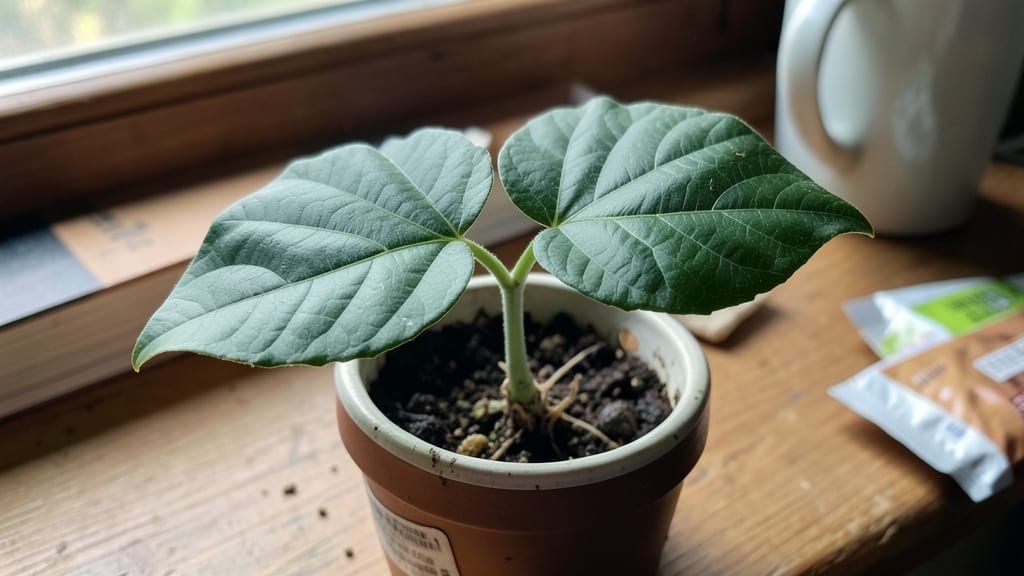
Germinating cacao seeds requires patience and just the right amount of moisture—too much and they rot, too little and they stall. I’ve watched tiny roots break through their shells after weeks of careful tending, and that first green shoot is worth every moment.
The key isn’t just damp paper towels or a warm spot; it’s creating a microclimate where humidity stays steady and mold stays away.
You’ll need fresh, fermented seeds (never store-bought chocolate), a clear plastic container with a lid, and a spray bottle for gentle watering. Some gardeners swear by a mix of peat moss and perlite to keep things aerated, while others stick with damp paper towels wrapped around each seed.
The goal is to mimic the damp, shaded forest floor where cacao thrives—think 70-80°F and consistent dampness without sogginess.
Within 2-4 weeks, you’ll see the first signs of life: a tiny white root or a crack in the seed coat. That’s when excitement turns to real work—keeping the environment stable so those delicate sprouts don’t wilt.
Once the first leaves appear, you’ll transplant them into a mix of 60% peat moss and 40% perlite, where they’ll grow into your future shade-loving trees.
Fair warning: cacao germination is a slow process, and not every seed will make it. But when you finally see those glossy, deep-green leaves unfurling, you’ll understand why the wait is worth it. Here’s exactly how to set it up right the first time.
📚 In This Guide
- What you need
- Instructions
- Tips and common mistakes
- Wrapping up and next steps
What you need
- ● Fresh cacao seeds: 5–10 fully fermented, plump seeds (harvested from ripe cacao pods). Pro tip: 💡 Use seeds from organic sources for best results!
- ● Germination medium: Option 1: 2–3 cups of sterilized coconut coir (or a 50/50 mix of coconut coir + perlite for drainage).
- ● Option 2: Sphagnum moss (lightly moistened, not soggy).
- ● Clear plastic container: A 1–2 gallon container with a lid (e.g., a seedling tray or repurposed plastic bin) for humidity control.
- ● Spray bottle: 8–16 oz with a fine mist nozzle (for gentle hydration).
- ○ Heating mat (optional but recommended): A seedling heat mat (set to 75–85°F) to maintain warmth.
- ● Small hand trowel or spoon: For gently placing seeds in the medium.
- ○ pH testing kit (optional): To check medium pH (ideal range: 5.5–6.5).
- ● Humidity dome or plastic wrap: If your container lacks a lid, use this to create a mini greenhouse.
- ○ Thermometer (optional): To monitor soil/medium temperature (aim for 70–85°F).
- ● Patience & consistency: Germination takes 2–4 weeks—stay diligent with moisture checks!
Step-by-Step instructions for germinating cacao seeds
Here's how to create the ideal moisture-rich environment for cacao seeds to sprout strong and healthy.
Prepare the Seeds for Planting
Cacao seeds need a gentle start—first, remove them from their pods and rinse off any remaining pulp under lukewarm water. This prevents mold from forming during germination. Place the seeds in a bowl of water for 12-24 hours to soften their outer shell. You'll know they're ready when the seed coat feels slightly pliable and the water remains clear (not cloudy from leftover pulp).
After soaking, pat the seeds dry with a paper towel. This step is crucial—too much moisture on the seed surface can cause rot before germination even begins. I like to work in a well-ventilated area during this process, as cacao seeds are sensitive to humidity fluctuations.
Set Up the Germination Container
Use a 6-inch wide container with drainage holes to hold your moistened seed-starting mix. Fill it halfway and press down lightly to create a firm but not compacted surface. The mix should feel like a damp sponge—squeeze it gently, and just a few drops of water should bead on the surface. Overly wet mix will suffocate the seeds, while dry mix will prevent root development.
Make two small holes about ½ inch deep in the soil, spaced 2 inches apart. Place one seed in each hole, pressing it down just enough so the soil covers it completely but doesn't bury it too deeply. Cacao seeds germinate best when planted at a depth equal to their own width.
Maintain Consistent Moisture Levels
The key to successful cacao germination is constant moisture without waterlogging. Cover the container with clear plastic wrap or a humidity dome to trap warmth and prevent the soil from drying out. Place the setup in a warm location, ideally between 75-85°F, such as on top of a refrigerator or near a sunny window without direct sunlight.
Check the soil moisture daily—it should feel damp to the touch but not soggy. If the surface feels dry, mist it lightly with water. Avoid using a spray bottle directly on the seeds, as this can dislodge them or create pockets of excess moisture. You'll see the first signs of germination in 7-14 days, when small white roots appear and the seed begins to crack open.
Transplant Seedlings to Individual Pots
Once the seedlings develop 2-3 inches of root growth and first true leaves appear, it's time to transplant them into 4-inch pots. Fill each pot with fresh seed-starting mix, making a hole deep enough to accommodate the seedling's roots without bending them. Gently remove the seedling from the germination container, supporting the stem with your finger to avoid damage.
Place the seedling in the new pot and firm the soil around it to eliminate air pockets. Water lightly to settle the soil, but avoid oversaturating the roots. Keep the pots in a warm, shaded area for the first week to help the seedlings adjust. You'll notice new growth within 7-10 days if the conditions remain ideal.
Provide Optimal Growing Conditions
Cacao seedlings thrive in high humidity (70% or above) and indirect bright light. Move the pots to a location where they receive dappled sunlight for 4-6 hours daily, such as under a sheer curtain or in a greenhouse. Avoid direct sunlight, which can scorch the delicate leaves. Maintain the soil moisture by watering when the top ½ inch feels dry—this prevents both underwatering and root rot.
Fertilize lightly after 4 weeks with a balanced, water-soluble fertilizer diluted to half strength. This encourages steady growth without overwhelming the young plants. With consistent care, your cacao seedlings will develop into strong, lush plants ready for further cultivation.
Tips & tricks for germinating cacao seeds
Creating the perfect moisture balance is everything when it comes to sprouting cacao seeds. Here are the key insights I've learned from years of experimenting with these delicate plants.
Soaking Time Matters: The 12-24 hour soak is non-negotiable for cacao seeds. I've found that 18 hours gives the perfect balance—long enough to soften the seed coat without risking mold growth. Change the water after 12 hours to prevent bacterial buildup, especially if the water becomes cloudy. The seeds are ready when they feel slightly pliable between your fingers, almost like a ripe avocado. This preparation step is what prevents those frustrating cases of seeds that refuse to sprout.
Moisture Balance is Critical: In Step 3, when maintaining constant moisture, think of your seed-starting mix like a well-wrung sponge. You want it damp enough that when you squeeze it, just a few drops bead on the surface—not dripping wet. I've ruined multiple batches by either overwatering (which causes rot) or underwatering (which stunts root growth). The plastic wrap creates a mini greenhouse effect, but you must check daily—condensation on the inside means it's too humid, while dry soil means it's too dry. This delicate balance is why I recommend checking twice daily during the 7-14 day germination window.
Temperature Consistency: That 75-85°F range in Step 3 isn't just a suggestion—it's a science. Cacao seeds are tropical plants, and they won't germinate properly outside this window. I've tried germinating in my 68°F kitchen and saw germination rates drop by nearly 50%. If your home runs cooler, place the container on top of your refrigerator (not inside!) or use a seedling heat mat set to 80°F. The warmth helps break down the seed coat and kickstarts root development faster.
Transplanting Technique: When you reach Step 4 and it's time to transplant those delicate seedlings, here's what I do: I fill the 4-inch pots with fresh mix, then make the planting hole slightly larger than the seedling's root ball. Gently tease the roots apart if they're circling in the germination container—this prevents root binding later. The key is to handle the seedlings by their leaves, never the stem, to avoid damage. After transplanting, I give them a light mist with water rather than pouring, which helps settle the soil without disturbing the roots.
Pro Tips for Germinating Cacao Seeds
- Creating the perfect moisture balance is everything when it comes to sprouting cacao seeds.
- Soaking Time Matters: The 12-24 hour soak is non-negotiable for cacao seeds.
- Moisture Balance is Critical: In Step 3, when maintaining constant moisture, think of your seed-starting mix like a well-wrung sponge.
Frequently asked questions
Got questions about germinating cacao seeds? You’re not alone—this process can feel tricky at first! Below, we’ve tackled the most common concerns to help you navigate moisture, timing, and troubleshooting like a pro.
How long does it take for cacao seeds to germinate?
Germination typically takes 2–4 weeks, depending on warmth (75–85°F) and moisture. Keep the soil consistently damp but not soggy—patience is key! If sprouts don’t appear after 6 weeks, check seed viability or adjust conditions (e.g., higher humidity or warmth).
What if my cacao seeds mold or rot?
Overwatering or poor drainage causes rot. If you spot black mold or mushy seeds, act fast: remove affected seeds, reduce moisture, and improve airflow. Use a sterilized mix (like coconut coir + perlite) next time to prevent fungal growth.
Can I germinate cacao seeds without a greenhouse?
Use a seedling heat mat (70–80°F) or place pots in a warm, shaded spot (like a sunny windowsill). Cover with plastic wrap to retain humidity, but remove it daily to prevent mold. A DIY mini greenhouse (clear container + fan) works too!
How do I know if my cacao seedling is healthy?
A healthy seedling has bright green leaves, firm stems, and no yellowing. Weak or leggy growth? It’s likely etoliated (stretched from lack of light). Move it to bright, indirect light (no direct sun) and ensure even moisture. Root rot or pests (like aphids) are red flags—address them promptly!
Can I grow cacao from store-bought chocolate?
Nope! Store-bought chocolate contains additives (sugar, lecithin) that prevent germination. Stick to raw, organic cacao beans (fermented, dried, and untreated). Buy from specialty suppliers or harvest fresh pods if you’re lucky enough to have a cacao tree nearby! →
Wrapping up and next steps
Germinating cacao seeds is a rewarding journey that connects you to nature’s rich bounty—one tiny sprout at a time! 🌱 By mastering moisture control, patience, and the right conditions, you’ve unlocked the potential to nurture thriving cacao plants.
Whether you’re growing for chocolate, shade, or sheer joy, every seed holds the promise of lush growth and future harvests.
Ready to take the next step? Start small—plant a few seeds in pots to refine your technique, then expand as you gain confidence. Share your progress with fellow plant enthusiasts or explore advanced propagation methods like grafting. The world of cacao awaits your green thumbs! 🌿