Lawn
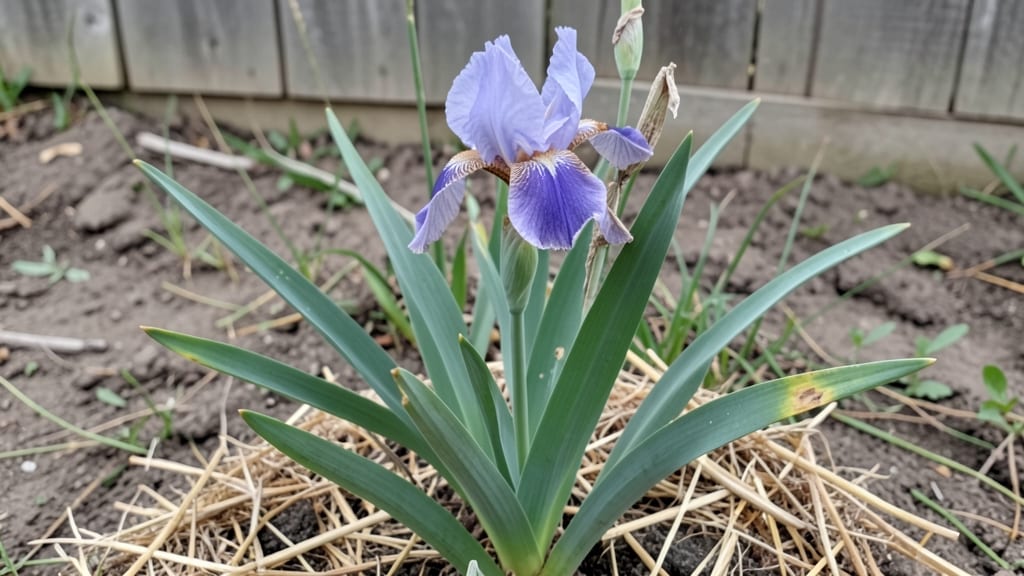
Most iris varieties focus their energy on growing rhizomes—thick, horizontal roots that store nutrients and sprout new plants. 🌱 The rare seed pods you might spot form only when bees or other pollinators successfully transfer pollen between flowers, a process that doesn't happen naturally in all gardens.
These seed capsules often look like small, dry bulbs hanging from the stem, turning brown as they mature.
If you're growing iris from seed, timing matters—collect seed pods when they're fully brown and slightly papery, then let them dry completely before opening. The seeds inside are tiny but durable, making them perfect for winter sowing or long-term storage.
Just remember, seed-grown irises may take 3-5 years to bloom compared to the 2-year wait for rhizome divisions.
💡 In This Article
- How Iris Reproduce Without Seed Pods
- Identifying and Harvesting Iris Seed Pods
How iris reproduce without seed pods
Most iris varieties rely on a clever underground strategy called rhizome division to spread. These thick, horizontal roots store nutrients and produce new shoots at nodes along their length. When mature rhizomes reach about 6-12 inches long, they naturally split into sections, each capable of growing into an independent plant.
This method ensures consistent growth without needing seeds, making iris one of the most reliable perennials for garden propagation.
The process begins in early spring when new shoots emerge from the rhizome's top nodes. By summer, these shoots develop roots at their base, while the original rhizome section continues growing.
Gardeners can accelerate this by dividing established clumps every 3-5 years, ensuring each section has at least one fan of leaves and one growing point. The key is timing—divide after flowering but before the first frost to allow roots to re-establish before winter.
While rhizomes handle most reproduction, some iris varieties like bearded iris produce offsets—small, bulb-like growths that form at the base of the rhizome. These offsets contain their own root system and can be gently separated in early spring.
The science here involves auxin hormones, which trigger cell division at these offset points, creating genetically identical plants. This asexual reproduction ensures the parent plant's traits remain consistent across generations.
Seed pods do appear in iris, but only under specific conditions. Successful pollination requires bees or other insects to transfer pollen between flowers, which typically happens in late spring to early summer when iris are in bloom.
After pollination, the flower stalk develops a small, green pod that gradually turns brown and papery as it matures—usually by late summer or fall. This process is far less reliable than rhizome division because it depends on external pollinators and environmental factors.
Here's what's actually happening when seed pods form: The fertilized ovary at the base of the iris flower swells and hardens into a capsule containing 100-200 tiny seeds. These seeds require stratification (a cold period) to break dormancy, which is why they're best planted in fall or early spring.
The trade-off? Seed-grown iris may take 3-5 years to bloom compared to the 2-year wait for rhizome divisions.
For gardeners, this means most iris propagation happens below ground—where the real magic occurs. 🌱 The rare seed pods you might spot are more of a bonus than a primary growth method, offering genetic diversity but requiring patience.
Understanding this balance helps you choose between quick rhizome division or the slower, more unpredictable seed-growing approach.